Common Diesel Failures and How a Mobile Diesel Mechanic Fixes Them Onsite
Diesel engines power the backbone of America’s workforce. From long-haul semi-trucks and construction equipment to delivery fleets and service vehicles, diesel-powered machines are built for durability, torque, and endurance. But no matter how tough these engines are, they are not immune to breakdowns. When problems arise, every minute off the road translates into lost productivity and revenue.
That’s why working with a mobile diesel mechanic has become an essential solution for fleet managers, owner-operators, and businesses that rely on heavy-duty trucks. Instead of waiting for a tow truck and losing days at a repair shop, onsite diesel repair keeps operations moving. In this guide, we’ll break down the most common diesel failures and explain how onsite service professionals diagnose and fix them efficiently.
Identifying Fuel System Contamination and Restoring Performance
The fuel system is one of the most sensitive and failure-prone systems in a diesel engine. Because diesel engines rely on extremely high fuel pressure and precise injection timing, even small amounts of contamination can cause serious performance issues.
Water, dirt, rust particles, or microbial growth inside diesel fuel tanks can lead to clogged lines and internal corrosion. Drivers often notice rough idling, hesitation, excessive smoke, or stalling. A mobile diesel mechanic can test fuel quality onsite, drain contaminated tanks, replace compromised filters, and flush fuel lines to prevent further damage.
The high-pressure fuel pump delivers diesel from the tank to the injectors. When it begins to fail due to wear or contamination, the engine may struggle to start or lose power under load. Onsite fuel pressure testing allows for quick diagnosis and immediate replacement if necessary. Fuel filters naturally accumulate debris over time. When clogged, they restrict fuel flow and reduce engine efficiency. Replacing filters onsite is a simple but critical fix that restores power and protects the injection system.
Injectors must spray a precise mist of fuel into the combustion chamber. When injectors clog, leak, or stick open, drivers may experience knocking, poor fuel economy, or excessive exhaust smoke. Using specialized diagnostic equipment, a mobile diesel mechanic can clean, recalibrate, or replace injectors without requiring the truck to leave the jobsite. Addressing fuel system problems early prevents cascading engine damage and keeps trucks operating reliably.
Detecting Cooling System Failures Before They Become Catastrophic
Overheating is one of the fastest ways to destroy a diesel engine. Cooling system failures can escalate quickly, leading to warped cylinder heads, blown head gaskets, or complete engine failure. Leaks commonly occur in hoses, clamps, radiators, or water pumps. Pressure testing helps pinpoint the exact source of the issue. Onsite hose replacements or seal repairs can often be completed within hours.
Radiators dissipate engine heat, but debris buildup or corrosion reduces their effectiveness. A mobile diesel mechanic can clean clogged fins or replace damaged units onsite to restore proper airflow and cooling. When thermostats stick open or closed, engines either run too hot or fail to reach optimal temperature. Replacing a thermostat onsite is a straightforward repair that can prevent serious overheating issues. The water pump circulates coolant throughout the engine. If it fails, temperatures rise rapidly. Early detection through inspection helps avoid expensive internal damage. Consistent cooling system checks significantly reduce the risk of roadside breakdowns and engine failure.
Troubleshooting Electrical System Breakdowns Efficiently
Modern diesel engines depend heavily on electrical components, sensors, and onboard computer systems. Electrical failures can be difficult to diagnose without proper equipment. The alternator keeps the battery charged and powers electrical systems. If it fails, drivers may notice dim lights or dashboard warnings. Voltage testing onsite quickly confirms the problem. A clicking sound or failure to crank often signals starter trouble. A mobile diesel mechanic can test the starter circuit and replace faulty components without the need for towing.
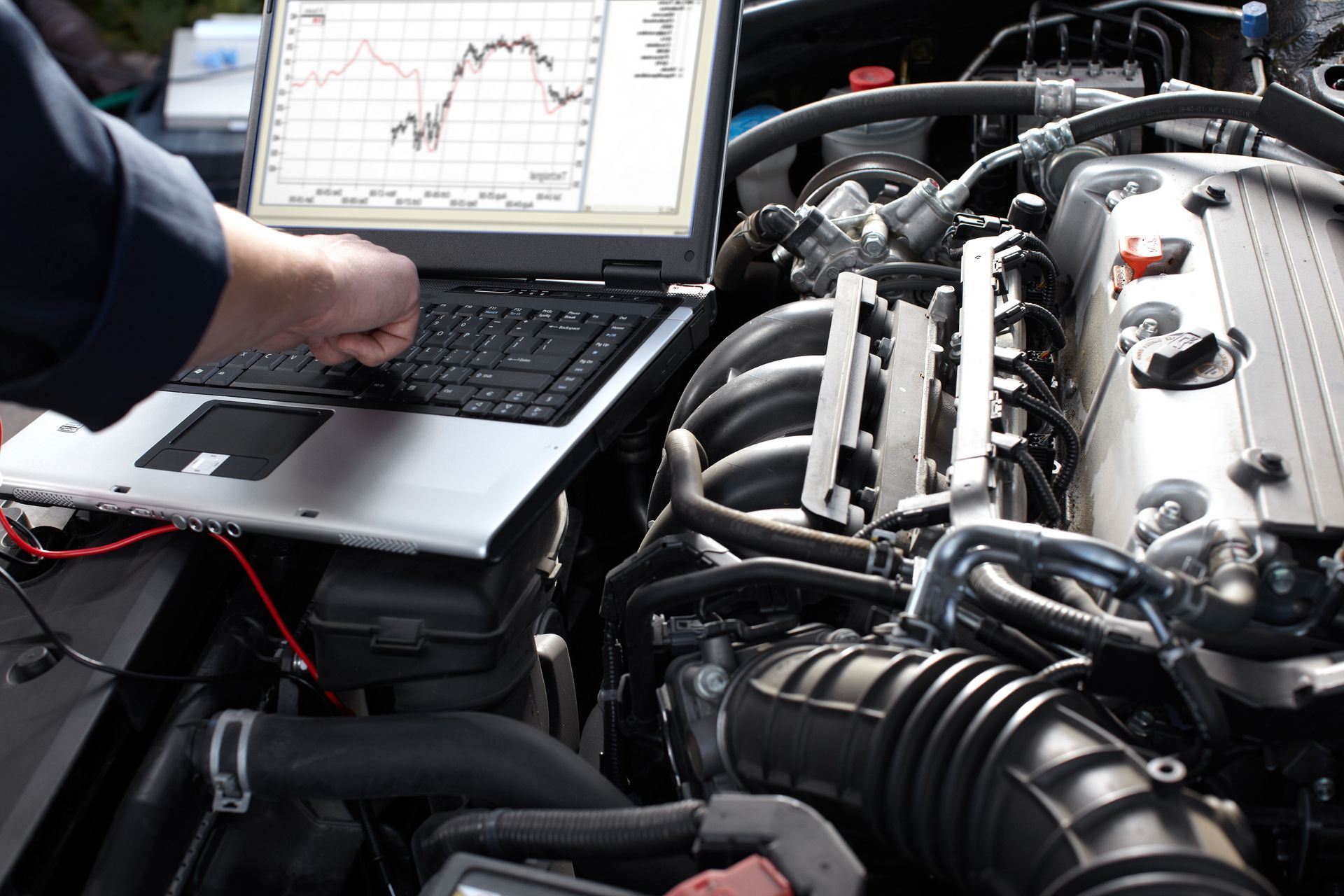
Extreme temperatures and heavy usage shorten battery life. Onsite load testing determines whether the battery needs replacement before it causes a breakdown. Corroded wiring, damaged harnesses, or malfunctioning sensors can cause erratic engine performance. Advanced scan tools allow technicians to pinpoint electrical faults quickly. With portable diagnostic systems, electrical issues that once required shop visits can now be resolved onsite.
Resolving Exhaust and Emissions System Complications
Emission systems in diesel trucks have grown increasingly complex due to stricter environmental regulations. While these systems improve air quality, they also introduce additional components that can fail. DPFs trap soot from exhaust gases. When clogged, engines lose power, and warning lights appear. A mobile diesel mechanic can perform forced regeneration cycles or clean filters onsite.
The turbo increases engine efficiency and power output. When bearings wear or oil contamination occurs, drivers notice sluggish acceleration and smoke. Early intervention prevents complete turbo failure. Cracked manifolds or worn gaskets allow exhaust gases to escape, reducing efficiency and increasing noise. Onsite repairs restore safe and proper exhaust flow. Blockages create excessive back pressure and reduce engine performance. Proper inspection ensures emissions compliance and optimal functionality. Quick exhaust system repairs protect engine efficiency and regulatory compliance.
Addressing Transmission and Driveline Problems Before Total Failure
Transmission issues can immobilize a truck instantly, making rapid response critical. Leaking seals or damaged lines lower fluid levels and cause overheating. Identifying leaks early prevents total transmission failure. Delayed or harsh shifting can result from worn components or electronic malfunctions.
Diagnostic scanning tools help identify the root cause. Slipping clutches reduces power transfer. Onsite adjustments or replacements restore smooth operation. Universal joints and driveshaft components transfer power to the wheels. Inspections detect imbalances before they lead to breakdowns. Fast onsite diagnostics help businesses avoid extended downtime.
Implementing Preventive Maintenance to Maximize Longevity
While emergency repairs are essential, preventative maintenance is the true key to diesel longevity. According to Capital One, diesel trucks can last well over 400,000 miles. But it takes a lot of maintenance and care to get there. That level of durability doesn’t happen by accident — it’s the result of consistent inspections, routine service, and immediate attention to small problems before they escalate.
Regular oil changes reduce internal wear. Scheduled filter replacements protect fuel and air systems. Cooling system flushes maintain optimal operating temperatures. Electrical inspections catch failing components before they cause breakdowns.
A mobile diesel mechanic plays a critical role in preventative care by offering flexible service schedules that work around operational demands. Instead of pulling trucks off the road for days, maintenance can happen during off-hours or between routes. Preventive service not only extends engine life but also improves fuel efficiency, safety, and resale value.
Minimizing Downtime with Onsite Diesel Repair Services
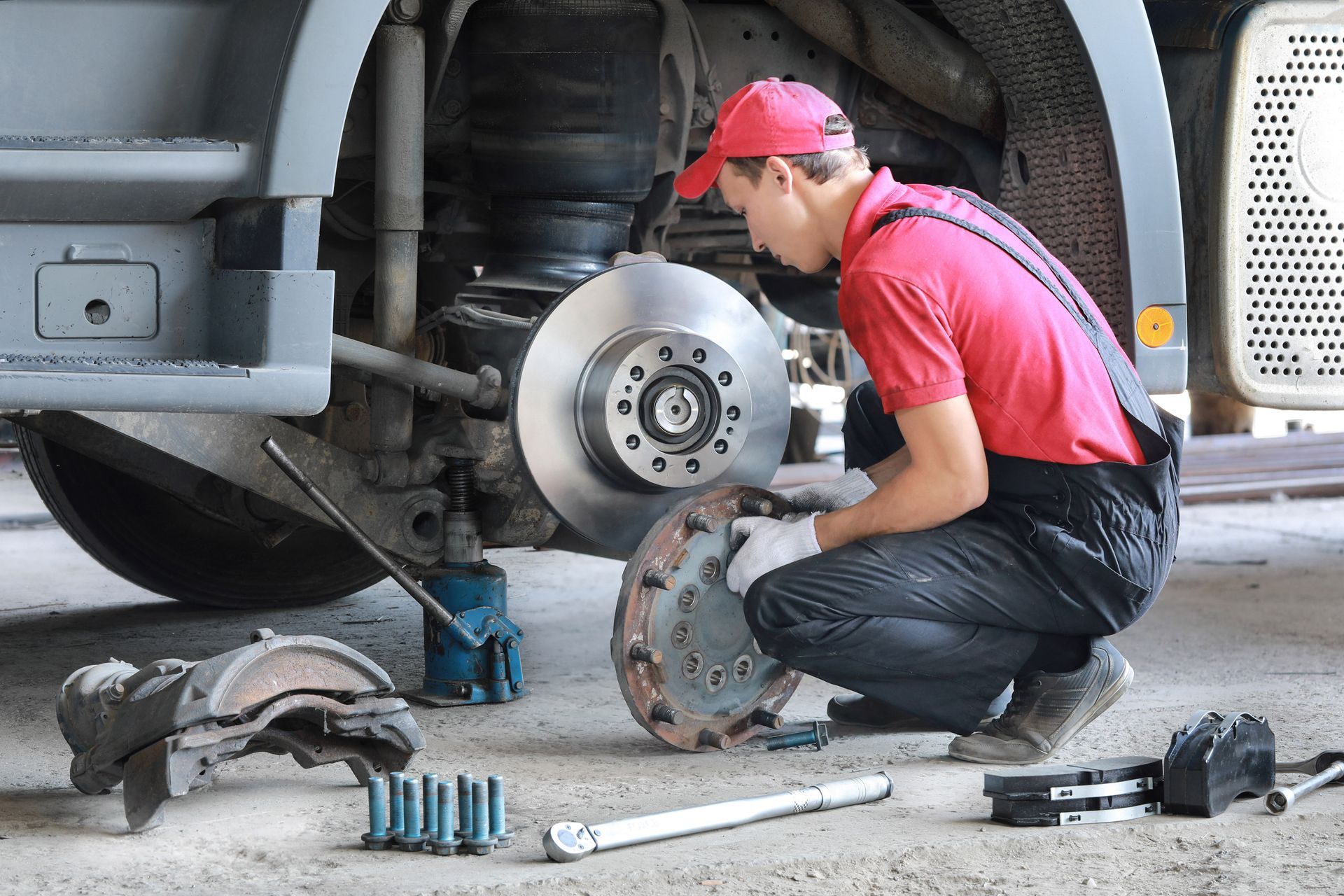
For many businesses, downtime is more expensive than the repair itself. Missed deliveries, delayed projects, and idle employees create a ripple effect of financial loss. Working with a mobile diesel mechanic eliminates towing expenses and reduces wait times. Repairs happen where the truck is located — whether that’s a roadside, warehouse yard, or construction site. This flexibility keeps operations moving and schedules intact. Fleet managers especially benefit from onsite service because multiple trucks can be inspected or repaired in one visit, increasing efficiency and reducing logistical challenges.
Protecting Your Fleet Investment with Expert Diesel Care
Diesel trucks represent a major investment. Protecting that investment requires skilled diagnostics, professional tools, and consistent maintenance planning. An experienced mobile diesel mechanic offers more than just repairs — they provide strategic insight into vehicle health. By identifying patterns of wear, recommending preventative measures, and responding quickly to emergencies, they help businesses avoid catastrophic failures. From fuel systems to transmissions, cooling components to emissions controls, onsite diesel service ensures trucks remain reliable, efficient, and road-ready.
When your diesel truck experiences issues, don’t waste time waiting at a shop. The experienced team at AFS Diesel Truck & Body offers fast, professional onsite service. If you need a dependable mobile diesel mechanic who understands how to diagnose problems quickly and get you back on the road, contact AFS Diesel Truck & Body today and keep your fleet running at peak performance.








Share On: