Why Fleets Rely on Certified Diesel Mechanics for Preventive Maintenance
Preventive maintenance is essential for keeping commercial fleets reliable and productive, especially when trucks, delivery vehicles, and heavy equipment operate under demanding conditions every day. Long routes, heavy loads, and constant use place significant strain on engines, braking systems, and other critical components. Without regular service, even minor issues such as worn parts, fluid leaks, or reduced engine efficiency can gradually worsen and lead to major mechanical failures.
When small problems go unnoticed, they can quickly turn into costly repairs or unexpected downtime that disrupts operations. For businesses that rely on transportation to meet deadlines and maintain customer satisfaction, these interruptions can create scheduling delays and additional expenses. Preventive maintenance helps reduce these risks by ensuring vehicles are inspected regularly and serviced before problems escalate.
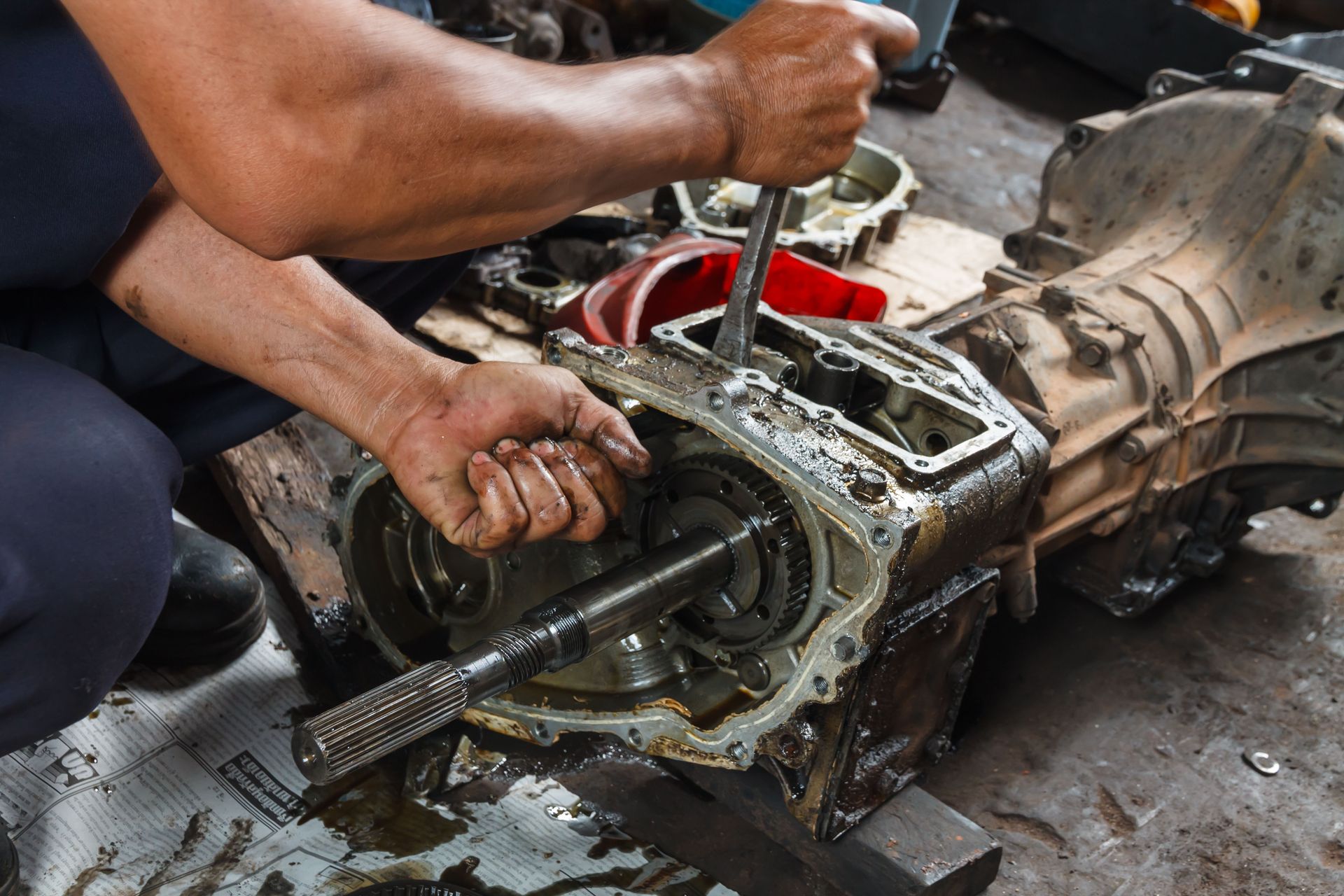
By working with certified diesel mechanics, fleet managers gain access to the technical expertise needed to maintain complex diesel engines and heavy-duty systems. These professionals are trained to identify early warning signs of mechanical issues and perform the maintenance required to keep vehicles operating safely and efficiently. With routine inspections, diagnostic testing, and proactive service strategies, experienced technicians help fleets reduce breakdowns, control long-term repair costs, and maintain the level of reliability businesses depend on every day.
Ensuring Expertise With Professional Diesel Training
One of the main reasons fleets rely on certified diesel mechanics is the specialized training these professionals receive. Diesel engines differ significantly from standard gasoline engines and require precise knowledge to maintain properly. Certification programs include technical coursework, diagnostic training, and hands-on mechanical experience that prepare technicians to work on heavy-duty engines and complex vehicle systems.
This training allows mechanics to understand the advanced systems that power modern commercial vehicles. Many diesel trucks include electronic controls, emissions systems, and fuel management technology that require specialized knowledge. When mechanics are properly trained and certified, fleet managers can feel confident their vehicles are receiving accurate diagnostics and professional service.
Extending Vehicle Lifespan With Preventive Maintenance
Preventive maintenance plays a major role in extending the lifespan of fleet vehicles. Rather than waiting for a breakdown to occur, trained professionals routinely inspect important components such as engines, braking systems, fuel lines, and cooling systems. These inspections allow certified diesel mechanics to detect early signs of wear before they develop into larger mechanical failures.
Addressing small issues such as worn belts, fluid leaks, or fuel system irregularities early helps fleets avoid expensive repairs and unexpected downtime. This proactive approach keeps trucks operating longer while helping businesses maintain dependable transportation schedules. Regular service tasks like oil changes, filter replacements, and system diagnostics also protect critical engine components from unnecessary wear.
Improving Safety With Routine Inspections
Safety is a top priority for fleet operations, and preventive maintenance helps ensure vehicles remain safe to operate. Commercial trucks often travel long distances and operate on demanding schedules, making mechanical reliability essential. Routine inspections performed by certified diesel mechanics help ensure that safety systems remain fully functional.
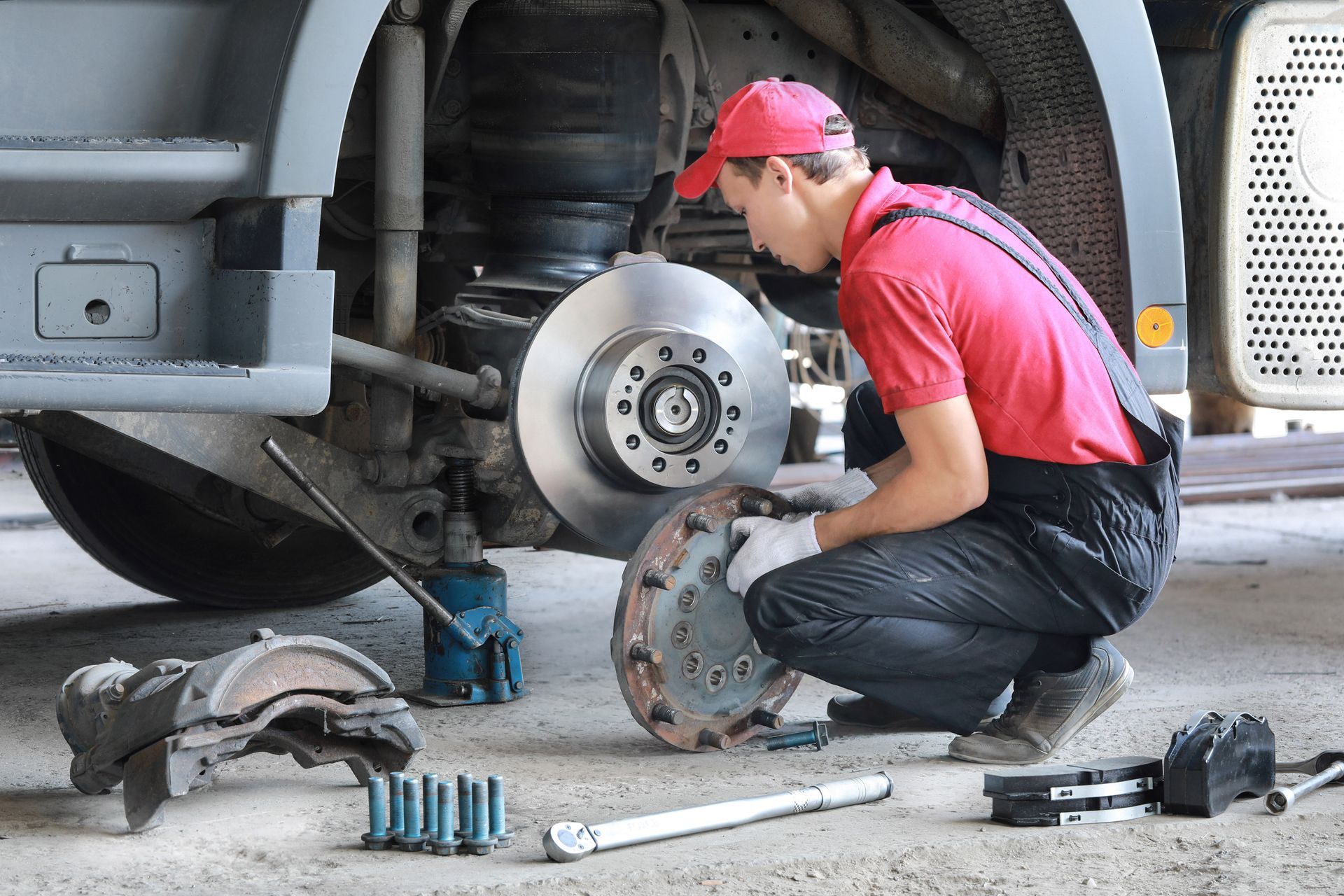
Maintenance checks typically focus on critical components such as brakes, steering systems, tires, and suspension parts. These systems directly affect vehicle control and driver safety. When trained professionals inspect them regularly, they can identify potential risks before they lead to dangerous situations.
Preventive maintenance also helps fleets remain compliant with transportation safety regulations. Vehicles that are regularly serviced are less likely to fail inspections or experience mechanical problems during operation. Drivers benefit from knowing their vehicles have been professionally maintained, allowing them to focus on the road with greater confidence.
Reducing Fuel Consumption With Efficient Engine Performance
Fuel costs are one of the largest operating expenses for fleet operators, and even small improvements in efficiency can create significant savings across multiple vehicles. Preventive maintenance performed by certified diesel mechanics helps improve fuel economy and reduce unnecessary fuel consumption.
Engines that are properly maintained typically operate more efficiently. Regular inspections help identify problems such as clogged filters, malfunctioning sensors, or inefficient combustion that can negatively affect fuel performance. By resolving these issues early, mechanics help ensure engines operate at optimal efficiency.
Proper tire maintenance, engine calibration, and fuel system adjustments also contribute to improved fuel performance. When these components are properly maintained, vehicles require less energy to operate, which directly reduces fuel consumption. Over time, these efficiency improvements can result in meaningful cost savings for fleet operators.
Increasing Reliability With Reduced Downtime
Downtime is one of the most expensive challenges fleet operators face. When a vehicle breaks down unexpectedly, it can disrupt delivery schedules, delay shipments, and create logistical complications. Preventive maintenance helps reduce these disruptions by identifying mechanical issues before they lead to serious problems.
Routine service appointments allow certified diesel mechanics to monitor vehicle health and address minor concerns early. By keeping vehicles in strong operating condition, fleets can significantly reduce the likelihood of unexpected breakdowns during long trips or demanding work schedules.
Reliable vehicles also help businesses maintain consistent service for their customers. When fleets can depend on their trucks to perform as expected, they can plan routes and schedules with greater confidence. Fewer breakdowns also mean drivers spend less time stranded on the roadside waiting for repairs, creating a smoother workflow for both drivers and fleet managers.
Supporting Freight Transportation With Reliable Fleet Operations
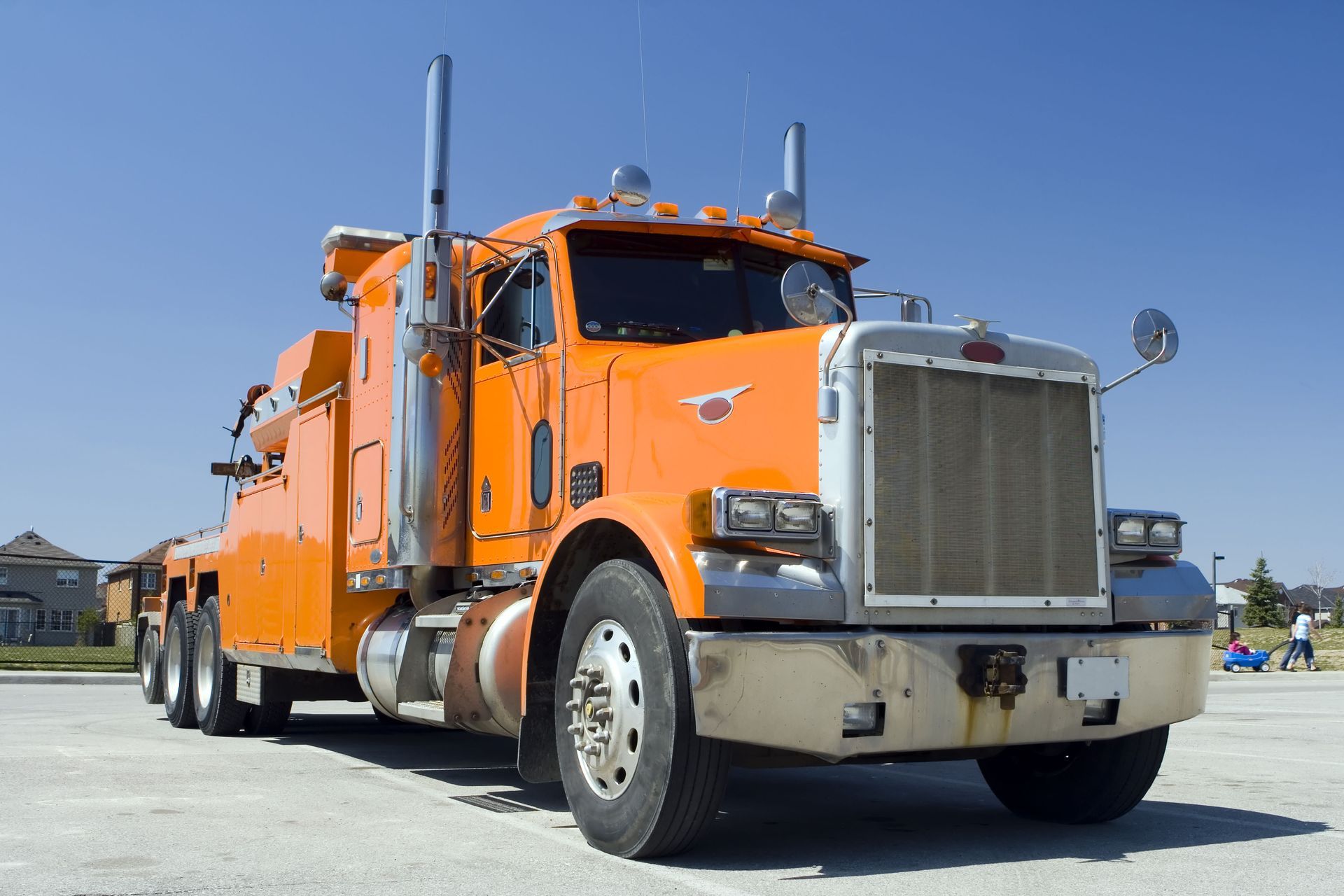
Commercial trucks play an essential role in the national economy, transporting goods that businesses and consumers rely on every day. According to the American Trucking Associations, trucks transported approximately 72.6% of all freight in the United States by weight in 2022. This statistic highlights how heavily the economy depends on reliable transportation systems.
Because freight transportation relies so heavily on trucks, keeping fleet vehicles properly maintained is critical. Preventive maintenance performed by certified diesel mechanics helps ensure that trucks remain capable of handling the demands of long-distance transportation. Reliable engines, efficient fuel systems, and properly functioning safety equipment all contribute to smooth freight movement.
When fleets operate efficiently, supply chains remain stable and businesses can continue delivering goods without delays. Reliable transportation also supports industries such as manufacturing, construction, and retail that depend on timely shipments. The expertise of skilled mechanics helps keep this system functioning effectively.
Protecting Fleet Investments With Professional Maintenance
Fleet vehicles represent a major financial investment for many businesses, making consistent maintenance essential. Preventive maintenance performed by certified diesel mechanics helps protect these investments by keeping trucks and equipment in strong operating condition.
Well-maintained vehicles typically experience fewer costly repairs and maintain stronger resale value over time. When fleet operators follow regular maintenance schedules, they can better predict service costs and avoid sudden financial surprises. This level of consistency helps businesses plan budgets more effectively.
Professional maintenance also helps fleets maintain accurate service records. These records provide documentation of vehicle care and can support warranty claims or future resale transactions. A detailed maintenance history demonstrates that vehicles have been properly maintained throughout their lifespan.
Preventive maintenance remains one of the most effective strategies for keeping fleet operations reliable and efficient. By working with certified diesel mechanics, fleet operators can extend vehicle lifespan, improve safety, reduce fuel costs, and reduce the risk of unexpected breakdowns. Regular inspections and routine service help identify small mechanical issues before they develop into major repairs, allowing fleets to stay on schedule and operate with greater confidence.
As transportation demands continue to grow, professional maintenance plays an important role in ensuring diesel engines perform consistently under demanding conditions. Well-maintained vehicles experience fewer disruptions, operate more efficiently, and remain safer for drivers and others on the road. For dependable fleet service and professional maintenance support, contact AFS Diesel Truck & Body.








Share On: