5 Good Reasons to Leave Diesel Repairs to a Mechanic
Heavy-duty vehicles are built to tackle demanding workloads, long journeys, and extreme operating conditions every single day. Maintaining these powerful engines and complex mechanical assemblies requires far more than basic automotive tools or casual troubleshooting. Operating without professional mechanical oversight often leads to unforeseen component wear, unexpected roadside failures, and steep repair bills. Entrusting your vehicle repairs to a qualified professional helps protect your investment, prevents costly roadside breakdowns, and ensures every component operates safely and efficiently over the long haul. Here are several key reasons why you should leave your heavy vehicle service needs to an experienced professional.
1. Complex Diesel Engine Diagnostics Require Specialized Equipment
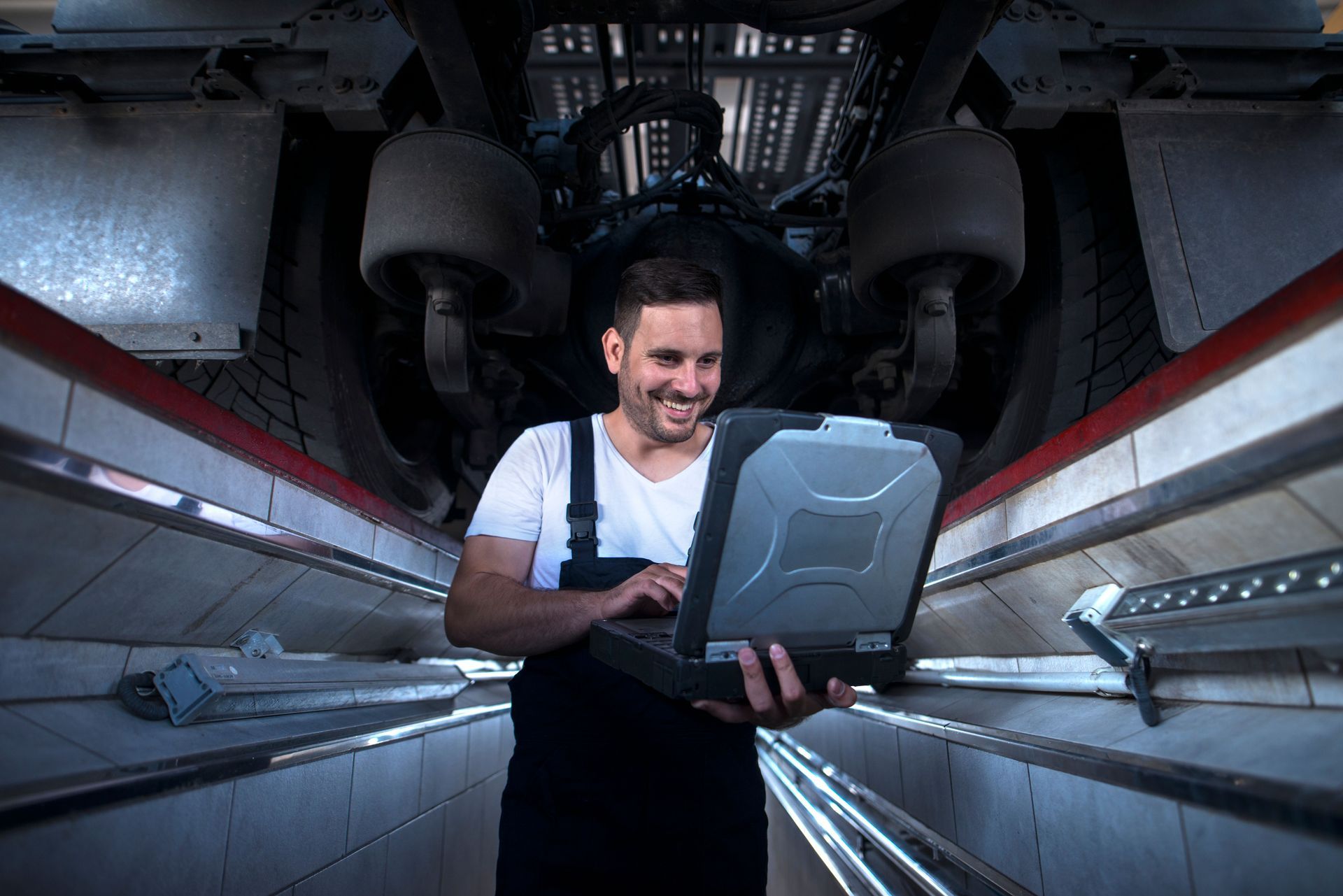
Modern heavy-duty vehicles rely on sophisticated electronic control systems, intricate fuel injection systems, and advanced turbocharger technology. Diagnosing issues within these systems requires specialized software, diagnostic tools, and years of experience that go far beyond standard automotive care. Advanced sensors continuously send data to central engine modules, making accurate troubleshooting virtually impossible without certified interface tools. A skilled mechanic understands how to read complex fault codes, interpret live data feeds, and isolate mechanical failures quickly. When you encounter engine trouble, turning to a mechanic ensures that minor sensor glitches or minor fluid leaks do not turn into catastrophic engine failures. Professional shops stay up to date with continuous system updates to ensure pinpoint accuracy for every vehicle generation. Attempting to diagnose these issues without proper training can lead to misdiagnoses, wasted funds, and prolonged downtime for your vehicle.
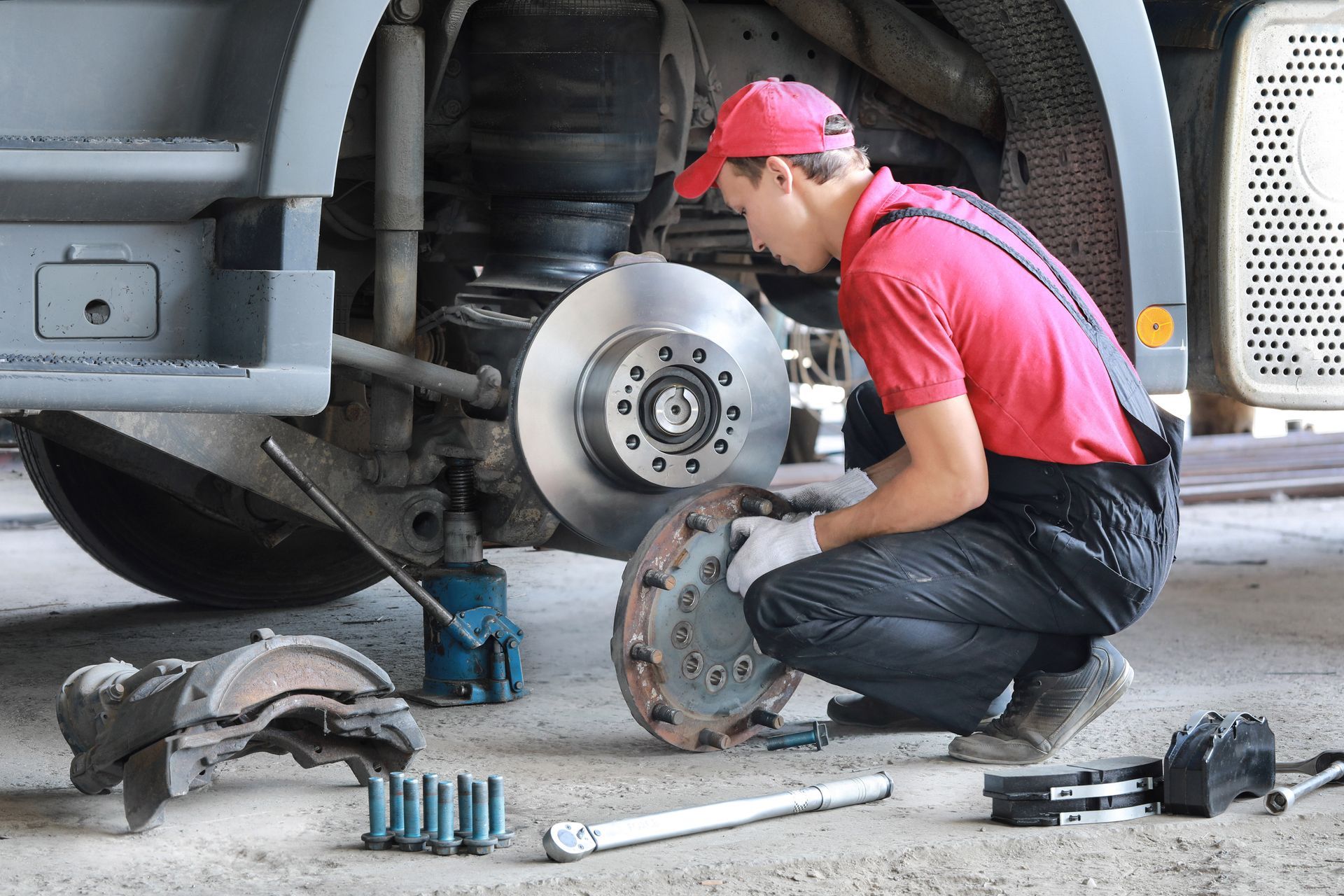
In addition to advanced diagnostic software, heavy-duty service involves specialized physical tools designed specifically for larger components. Components on diesel engines are heavier, tightly packed, and often held together by precise torque specifications that demand specialized equipment. Improper torque settings on cylinder heads or fuel rails can cause severe structural damage and immediate gasket failures. A mechanic has access to heavy-duty lifts, pneumatic tools, and precision measurement instruments necessary to handle these heavy engines safely. Having the proper shop equipment prevents costly damage to expensive cast-iron and aluminum engine blocks during overhaul procedures. By entrusting your repair needs to a professional mechanic, you protect yourself from potential safety hazards and ensure every part is installed according to exact original equipment manufacturer standards.
2. Proper Maintenance Keeps High-Mileage Engines Running Smoothly
Diesel vehicles are built for durability, long-distance hauling, and heavy payloads, but maintaining that level of performance requires continuous, specialized attention. Fuel filters, glow plugs, oil separators, and cooling systems all operate under extreme heat and pressure conditions. Contaminated fuel or degraded oil can quickly cause scoring inside precision fuel injectors and high-pressure oil pumps. A dedicated mechanic knows the precise service intervals and high-grade fluids required to keep these heavy engines running at peak efficiency. Experienced technicians perform comprehensive multi-point inspections during every oil change to spot hidden wear before it spreads. Regular preventative maintenance performed by a mechanic keeps minor wear and tear from escalating into expensive breakdowns on the road.
According to Capital One, with dedicated maintenance and care, diesel trucks can last well over 400,000 miles. Reaching such impressive milestones is only possible when routine service is handled consistently by an experienced mechanic. High-mileage engines demand consistent valve clearances, steady oil pressure, and immaculate fuel filtration to survive decades of continuous heavy operation. Every system, from the fuel injectors to the exhaust valves, depends on clean lubricants and proper adjustment to resist friction and heat. Skipping even a single routine oil flush or filter change can accelerate internal engine wear dramatically. Working with a qualified mechanic helps ensure that routine fluid changes, filter replacements, and system flushes are executed correctly every single time, preserving your engine for the long haul.
3. Advanced Exhaust and Emissions Systems Require Expert Service
Emissions standards for heavy vehicles are stringent, relying on complicated exhaust aftertreatment systems to reduce environmental impact. Components such as Diesel Particulate Filters, Selective Catalytic Reduction systems, and Exhaust Gas Recirculation valves require careful maintenance and precise monitoring. Soot accumulation inside particulate filters must be monitored closely to avoid severe backpressure that can destroy turbochargers. A mechanic possesses the knowledge required to clean, repair, or regenerate these complex exhaust systems safely. Technicians understand the chemical balances needed within fluid dosing systems to keep your exhaust running clean without damaging catalytic materials. Attempting to bypass or improperly clean these components can cause major engine performance issues, decreased fuel efficiency, and severe damage to expensive exhaust assemblies.
When an emissions component fails, it often triggers limp mode or causes the engine to suffer severe power losses. A certified mechanic can perform controlled force regenerations, reset fault monitors, and replace worn sensors accurately. Proper calibration ensures that sensors measure exhaust temperatures and NOx levels with complete accuracy under heavy loads. By leaving these sensitive systems in the hands of a mechanic, you ensure your vehicle complies with environmental standards while maintaining optimal fuel economy and horsepower. Resolving emissions faults early prevents toxic soot from recirculating back into your engine intake manifold. Professional service prevents unnecessary exhaust restriction and protects the vital internal components of your powertrain.
4. Heavy-Duty Transmission and Drivetrain Work Demands Expertise
The transmission and drivetrain components in heavy vehicles endure immense torque and heavy loads every operating hour. Servicing transmission fluid, replacing clutch assemblies, or repairing differential gears requires extensive mechanical knowledge and heavy lifting equipment. Severe vibrations from unbalanced driveshafts or worn universal joints can shatter transfer case housings if left unaddressed. A knowledgeable mechanic can identify subtle signs of gear wear, bearing noise, or hydraulic pressure loss before total failure occurs. Certified technicians know how to inspect gear mesh patterns inside differentials to confirm correct tooth contact under stress. Choosing a mechanic for drivetrain work guarantees that clutch adjustments, driveshaft balancing, and gear alignments meet exact tolerances.
Drivetrain repairs involve intricate assemblies where even a microscopic alignment error can cause rapid component wear or catastrophic failure. Precise shimming and backlash settings are critical for keeping heavy differentials quiet and durable under massive torque. A mechanic brings the technical precision needed to dismantle, inspect, and rebuild these critical assemblies safely. Professional installation eliminates premature bearing failure and seals against damaging gear oil leaks. Furthermore, a professional mechanic can source high-quality replacement parts that withstand extreme operational stress. Allowing an experienced mechanic to handle your transmission and drivetrain needs keeps your vehicle moving reliably under heavy loads without unexpected mechanical breakdowns.
5. Professional Service Saves Valuable Time and Reduces Operational Costs
While taking on DIY repairs might seem like a way to cut costs, it often leads to extended downtime, improper installations, and higher expenses in the long run. Professional service speeds up turnaround times, allowing you to get back on the road faster. DIY mistakes frequently cause secondary damage that ends up costing triple the price of the original repair. A skilled mechanic works efficiently because they encounter these mechanical issues daily and know the most effective repair methods. Experienced shops maintain direct relationships with parts distributors to acquire rare components rapidly without delay. By handing your repairs over to a mechanic, you eliminate trial-and-error troubleshooting and avoid purchasing expensive single-use tools.
Working with an established service provider also gives you peace of mind regarding warranty compliance and long-term durability. Accurate service logging preserves your commercial vehicle resale value and satisfies rigorous regulatory safety inspections. Professional technicians back their labor with clear communication, upfront evaluations, and reliable parts recommendations. Clear repair estimates allow vehicle owners to budget accurately for scheduled maintenance without surprising hidden fees. Partnering with a dedicated
mechanic safeguards your investment, optimizes fuel mileage, and reduces overall operating expenses throughout the lifespan of your vehicle.
Keeping heavy-duty vehicles performing at their best requires accurate diagnostics, quality parts, and years of hands-on expertise. Entrusting your fleet or personal work vehicle to trained specialists guarantees consistent performance, reduced downtime, and maximum safety on every trip. Based in Conley, GA, AFS Diesel Truck & Body has been serving the Atlanta area since 1981, providing expert fleet care, major mechanical overhauls, and body work. Contact us today to receive your free estimates and let our team handle all your vehicle service needs!






Share On: