How CNG Engines Deliver Clean, Efficient Power for Modern Vehicles
The global automotive industry faces increasing pressure to adopt cleaner energy solutions due to rising environmental concerns. Compressed Natural Gas has emerged as a viable alternative fuel source for modern vehicles, gaining popularity among both consumers and commercial fleet managers alike. Shifting to a CNG engine represents a proactive, high-efficiency approach to cutting carbon footprints and tackling global climate change across heavy-duty transport sectors.
CNG is a fossil fuel derivative composed primarily of methane, offering cleaner combustion properties compared to traditional petroleum. According to EBSCO, CNG engines produce about 68 grams of CO2 per megajoule compared to 96 grams for gasoline. This substantial gap in emissions makes natural gas powertrains an essential component in global sustainable energy initiatives, municipal fleet modernizations, and urban air quality improvement projects.
Infrastructure development and legislative support continue to play crucial roles in facilitating broader market adoption worldwide. While initial conversion costs and refueling access pose occasional hurdles, the operational savings and lower environmental impacts are undeniable over long-term operations. Understanding the mechanics, performance capabilities, and economic profile of these powertrains helps commercial stakeholders navigate the changing transportation landscape.
Understanding CNG Engine Technology and Mechanics
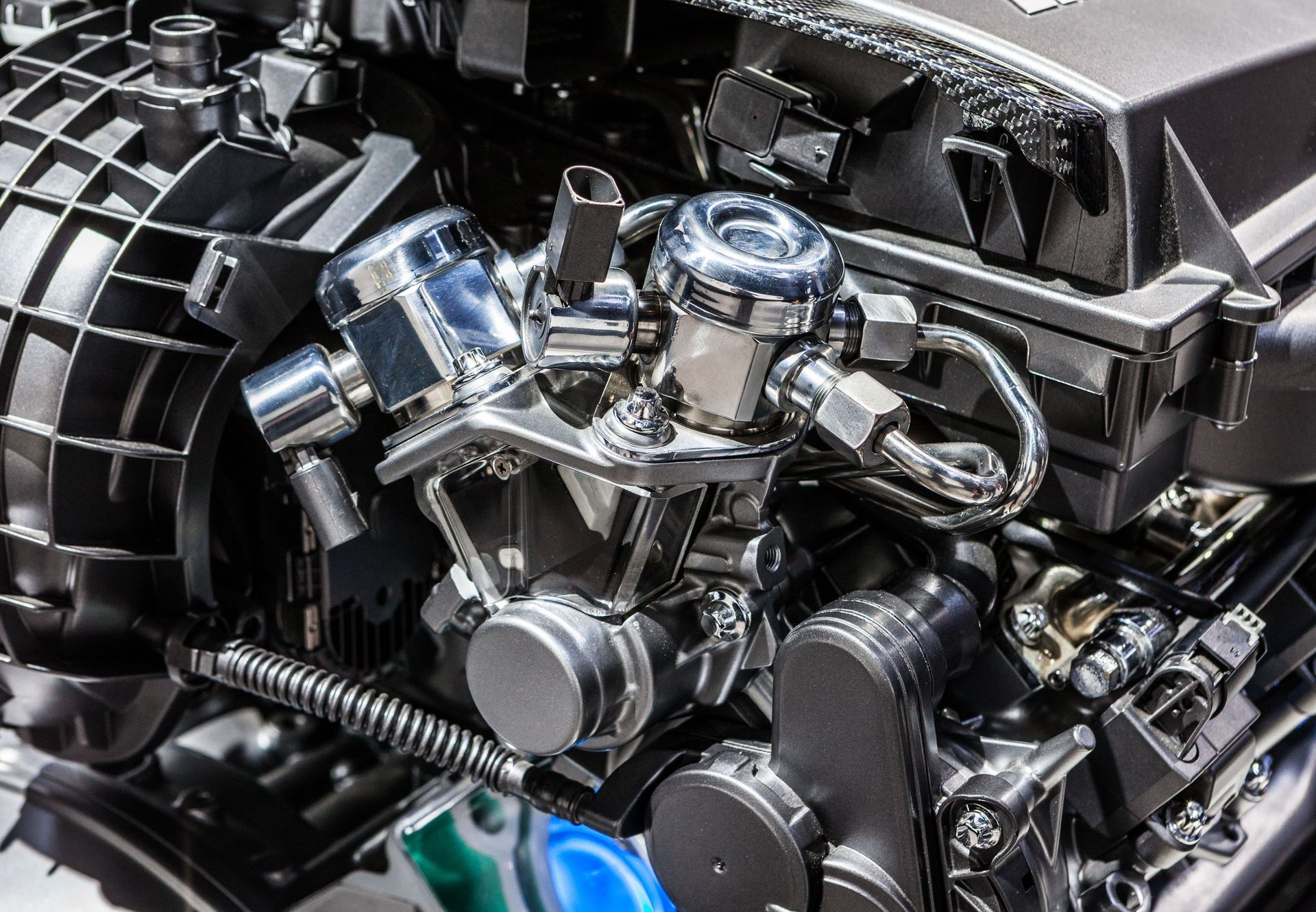
Natural gas compressed to less than 1% of its standard atmospheric volume creates a dense, clean-burning fuel option for light-, medium-, and heavy-duty vehicles. A modern CNG engine relies on specialized high-pressure steel or carbon-composite cylinders to store this compressed fuel safely before sending it through a multi-stage pressure regulator. This regulator steps down system pressure to optimal operating levels, allowing high-precision electronic fuel injectors to deliver exact amounts into the combustion chamber for complete and efficient burning.
The history of natural gas propulsion dates back several decades, originally gaining traction during energy shortages before evolving into a sophisticated automotive sector. Early systems relied on basic dual-fuel or aftermarket carburation conversion kits, whereas today's dedicated setups utilize advanced Electronic Control Units (ECUs). These control modules continuously analyze real-time operational parameters like air intake, exhaust gas temperature, and load requirements, fine-tuning air-fuel ratios to maximize horsepower while maintaining remarkably low exhaust emissions across all driving conditions.
Operating on higher compression ratios made possible by an elevated octane rating of around 120 to 130, a CNG engine achieves superior thermal efficiency compared to standard gasoline powertrains. The cleaner burn prevents excessive carbon buildup on internal components like pistons and spark plugs, extending overall engine life and reducing maintenance requirements. These mechanical advantages keep commercial operations running more smoothly for longer intervals while significantly lowering total cost of ownership across fleet lifecycles.
Evaluating Environmental Impacts and Emission Reductions
Adopting natural gas vehicles yields immediate ecological benefits, particularly regarding greenhouse gas output and harmful localized air pollution. Vehicles equipped with a CNG engine emit drastically lower quantities of nitrogen oxides, carbon monoxide, and unburnt hydrocarbons compared to diesel or gasoline equivalents. Furthermore, fine particulate matter emissions are virtually eliminated, directly targeting smog formation, respiratory illness triggers, and public health risks in crowded urban centers.
From a global warming perspective, lowering carbon dioxide emissions by roughly 20% to 30% per vehicle makes a major difference in cumulative carbon emissions tracking. Cleaner exhaust gases mean fewer greenhouse gases trapping heat within the atmosphere, directly aligning commercial fleet operations with international climate mandates and corporate sustainability targets. Additionally, natural gas combustion releases negligible sulfur dioxide, protecting surrounding natural ecosystems and waterways from acid rain precursors.
Noise pollution reduction represents another key environmental victory offered by natural gas power systems across urban centers. The combustion mechanics inside a CNG engine produce noticeably lower noise and vibration levels than diesel powertrains, often cutting noise output by up to 50% during acceleration and idling. This quieter profile creates more livable urban spaces, reduces driver fatigue during long shifts, and allows nighttime delivery routes in residential zones without causing community disruptions.
Analyzing Economic Factors and Infrastructure Development
The economic draw of natural gas as an automotive fuel centers primarily on long-term operational savings and market price stability. Natural gas consistently remains cheaper per energy equivalent than petroleum products, offering fleet managers substantial fuel cost reductions over time. Over high-mileage duty cycles, these accumulated savings quickly offset the initial purchase premium associated with specialized vehicle acquisition, dedicated fuel storage, or powertrain conversions.
Developing robust refueling infrastructure remains essential to expanding natural gas vehicle integration across regional and national transport corridors. While building compression stations requires upfront capital investment, public-private partnerships and municipal grants continue accelerating station deployment worldwide. As refueling accessibility expands along major freight routes and shipping hubs, range anxiety decreases, boosting market confidence and encouraging further commercial fleet investment.
Government regulatory incentives, subsidies, and tax credits actively stimulate uptake among commercial transport firms, logistics providers, and original equipment manufacturers. Many regional authorities offer grant programs to assist businesses upgrading aging diesel units to a modern CNG engine. These financial incentives, combined with lower routine maintenance costs and extended component lifespans, solidify natural gas as a financially sound, future-proof alternative fuel choice.
Assessing Power Reliability and Maintenance Needs
Modern natural gas powertrains deliver robust performance metrics rivaling conventional diesel and gasoline counterparts across various demanding applications. Torque curves are engineered to handle heavy payloads smoothly, providing reliable pulling capability for commercial freight trucks, refuse haulers, construction vehicles, and municipal transit buses. Furthermore, clean-burning methane minimizes oil contamination, meaning engine oil stays cleaner longer and lubricates internal parts far more effectively without breakdown.
Fewer harmful engine deposits lead to reduced wear on spark plugs, valves, turbochargers, and cylinder walls over thousands of operating hours. Fleet technicians report fewer unexpected mechanical breakdowns, minimal carbon fouling, and extended service intervals, which directly translates to higher vehicle uptime and lower repair bills. This mechanical reliability is a major driver behind widespread adoption in commercial logistics where unexpected downtime equates to immediate lost revenue.
Safety protocols surrounding high-pressure fuel storage are exceptionally rigorous, featuring heavy-duty composite tanks tested against extreme impact, fire, bullet penetration, and pressure limits. Advanced pressure relief devices automatically vent gas safely into the atmosphere if extreme heat or pressure conditions occur, preventing catastrophic tank failures. These built-in safety features ensure that operating a CNG engine remains as safe, reliable, and secure as traditional commercial powertrains under all working environments.
Summary of Natural Gas Transportation Solutions
Compressed Natural Gas represents an efficient, reliable, and environmentally responsible choice for modern vehicle fleets seeking sustainable growth and cost reductions. By cutting carbon emissions, reducing fuel expenditures, and delivering quiet performance, natural gas bridges the gap toward long-term sustainable transport goals. Integrating this technology allows operators to achieve aggressive sustainability targets without sacrificing payload capacity, power output, or operational dependability.
Adopting these systems also provides commercial operators with a competitive edge as corporate clients increasingly favor supply chains with lower carbon footprints. Modern fleet managers who transition early position their organizations to easily meet future environmental regulations while insulating their businesses against volatile liquid fuel prices. Consequently, incorporating natural gas powertrains represents not just an environmental upgrade, but a comprehensive strategy for long-term commercial resilience.
As fueling infrastructure expands and engine designs continue to advance, natural gas systems will play an increasingly prominent role in global transit networks. Investing in cleaner fuel solutions today protects business profitability while preserving air quality for future generations. For more information about the services that we offer, reach out to our incredible team at AFS Diesel Truck & Body today!








Share On: