How Often Does a Diesel Truck Need Oil and Filter Changes?
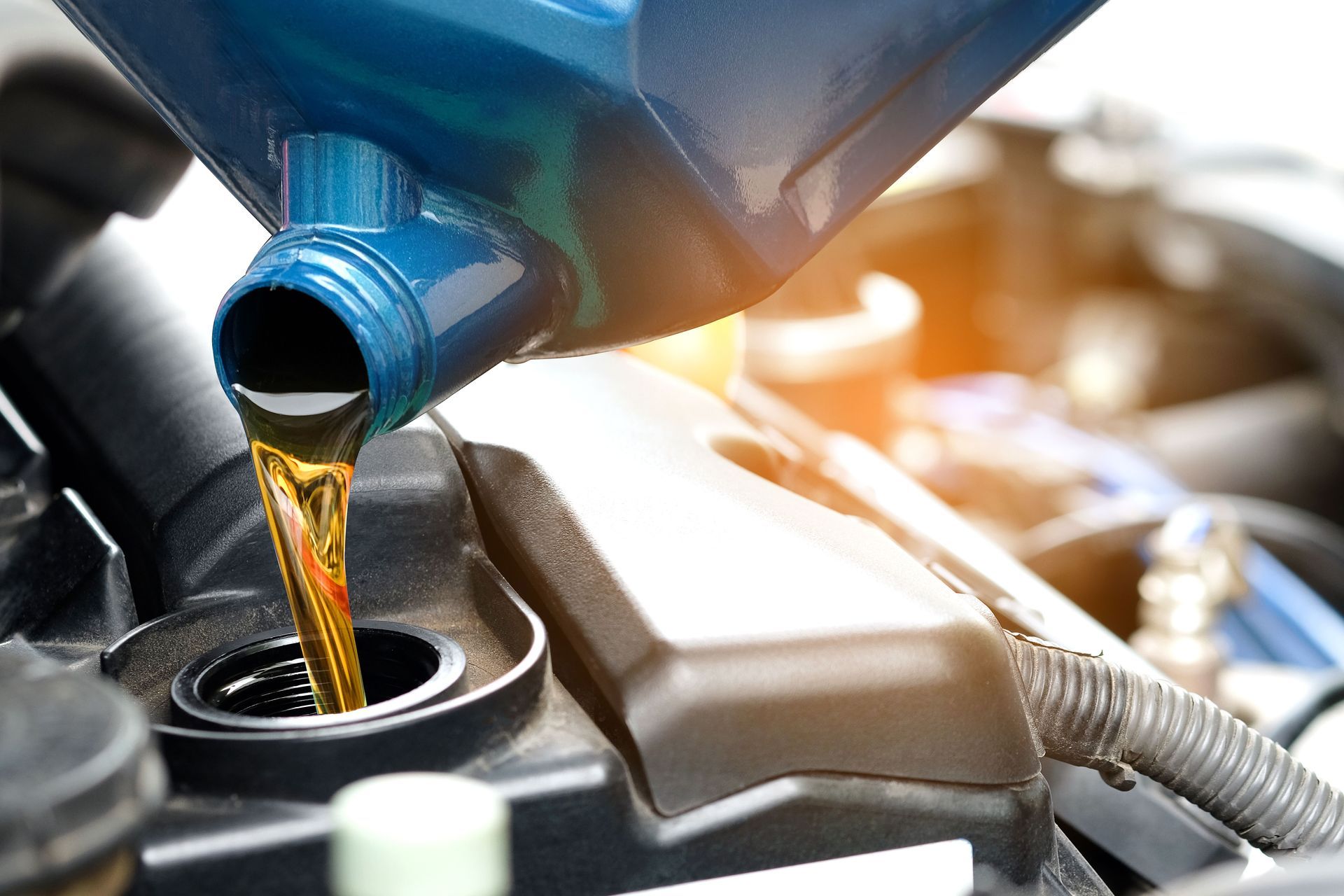
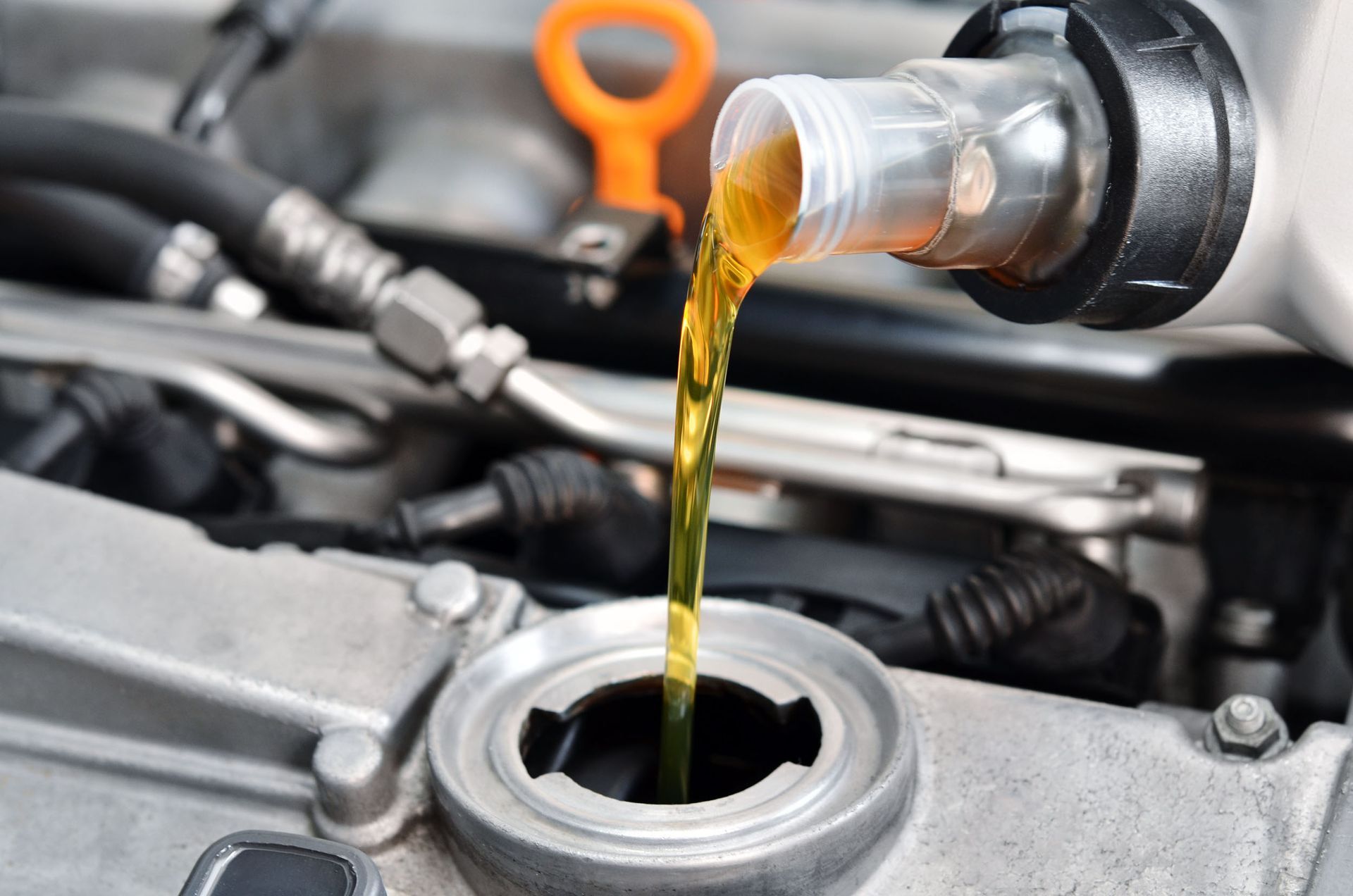
Keeping a diesel truck running efficiently requires consistent maintenance, particularly when it comes to oil and filter changes. Engine oil plays an essential role in protecting internal components, reducing friction, controlling temperatures, and preventing premature wear. Over time, however, oil becomes contaminated and loses its ability to provide adequate protection. Understanding when to schedule maintenance can help truck owners avoid unnecessary repairs and maintain dependable performance.
Unlike gasoline-powered vehicles, diesel trucks often operate under demanding conditions involving heavy loads, extended driving periods, and substantial engine temperatures. These factors can influence how quickly oil deteriorates and when replacement becomes necessary. Establishing an appropriate maintenance schedule for your diesel engine helps preserve its reliability while supporting long-term vehicle performance.
Understanding Recommended Oil Change Intervals
The appropriate oil change interval for a diesel truck depends on the manufacturer’s recommendations, vehicle specifications, and operating conditions. Modern trucks may support extended maintenance intervals when equipped with compatible synthetic oils and advanced filtration systems. However, these capabilities do not eliminate the need for regular inspections and professional servicing.
Truck owners should consult their vehicle’s maintenance documentation to determine the recommended service schedule. Manufacturers establish these guidelines based on engine design, lubrication requirements, and expected operating conditions. Following the appropriate schedule helps ensure that internal components receive consistent protection.
Maintenance intervals may also change depending on how a truck is used. Vehicles operating primarily on highways under moderate loads may experience different oil degradation patterns than trucks frequently towing equipment or navigating congested roads. Professional technicians can evaluate these conditions and recommend adjustments that support reliable operation without scheduling unnecessary services.
Recognizing Factors That Affect Oil Changes
Operating conditions significantly influence how frequently a diesel truck requires fresh oil. Heavy towing, frequent idling, extreme temperatures, and dusty environments can accelerate contamination and reduce lubricant effectiveness. Trucks exposed to these conditions may require more frequent maintenance than vehicles operating under less demanding circumstances.
Short-distance driving can also affect oil quality. When a truck repeatedly operates without reaching its normal operating temperature, moisture and fuel contamination may accumulate in the lubrication system. These contaminants can compromise the protective properties of engine oil and contribute to internal wear.
The quality and formulation of the oil also matter. Manufacturers specify particular viscosity grades and performance standards to accommodate their engines’ operating requirements. Using oil that meets these specifications helps maintain lubrication, manage deposits, and protect components exposed to substantial pressure and heat.
Identifying Signs That Oil Needs Replacement
Although scheduled maintenance provides a reliable foundation, certain warning signs may indicate that oil requires attention sooner than expected. Changes in engine performance, unusual operating noises, or dashboard warnings can suggest lubrication problems that warrant professional evaluation.
Oil condition can provide additional information, although appearance alone does not establish whether replacement is necessary. Diesel oil often darkens relatively quickly because it collects soot and combustion byproducts. Dark coloration does not automatically mean the lubricant has lost its protective properties.
A professional inspection can help determine whether contamination, dilution, or deterioration is affecting the oil. Technicians may evaluate maintenance records, operating conditions, and relevant diagnostic information before recommending service.
Drivers should also pay attention to changes in oil consumption. Unexpected decreases in oil level may indicate leaks, internal wear, or other mechanical concerns. Addressing these symptoms promptly can help prevent additional damage and maintain dependable operation.
Maintaining consistent records makes it easier to identify unusual patterns. When technicians can review previous service dates and reported concerns, they can make more informed recommendations about the condition of a diesel engine.
Understanding the Importance of Oil Filters
Oil filters perform an essential function by capturing contaminants that circulate through the lubrication system. As oil moves through the engine, it can collect soot, metal particles, dirt, and other debris. Proper filtration helps prevent these materials from circulating freely and damaging sensitive components.
Over time, accumulated contaminants can restrict a filter’s effectiveness. Depending on its design, a heavily loaded filter may allow oil to bypass the filtering element to maintain lubrication flow. Although this protective mechanism helps prevent oil starvation, it also means some contaminants may continue circulating.
Replacing the oil filter according to manufacturer recommendations supports effective lubrication system performance. For many diesel trucks, filter replacement is performed during scheduled oil changes, although specific maintenance requirements vary by vehicle.
Professional servicing also helps ensure that the correct filter is installed. Filters differ in construction, capacity, filtration efficiency, and compatibility. Selecting components that meet manufacturer specifications is important for maintaining the intended protection of the lubrication system.
Evaluating Different Driving Conditions
Highway driving and demanding commercial operations can produce substantially different maintenance requirements. Trucks traveling long distances at consistent speeds generally experience stable operating temperatures, which can support predictable oil performance under suitable conditions.
In contrast, frequent stop-and-go driving introduces repeated changes in engine load and operating temperature. Delivery vehicles, construction trucks, and equipment haulers may spend considerable time idling or operating under heavy loads. These conditions can contribute to oil contamination and accelerated degradation.
Environmental factors also deserve consideration. Dusty worksites increase the importance of effective air filtration, while extremely cold temperatures can affect oil circulation during startup. Excessive heat places additional demands on lubrication and cooling systems.
Truck owners should consider these factors when discussing maintenance schedules with qualified technicians. A servicing plan based on actual vehicle usage can provide more appropriate protection than relying exclusively on general recommendations.
Understanding how operating conditions affect a diesel engine also helps businesses anticipate maintenance needs and minimize unexpected interruptions.
Maintaining Consistent Engine Performance
Regular oil and filter changes contribute to engine reliability by supporting lubrication, temperature management, and contaminant removal. Fresh oil that meets manufacturer specifications helps protect moving components from excessive friction and wear.
Consistent maintenance also creates opportunities for technicians to identify developing mechanical concerns. During scheduled service visits, professionals may notice fluid leaks, unusual wear indicators, or other conditions requiring further evaluation.
These inspections can be particularly valuable for commercial truck owners who depend on their vehicles for daily operations. Unexpected mechanical failures may interrupt deliveries, delay projects, and create additional expenses.
Maintenance records also provide useful information about a truck’s service history. Documenting completed oil changes, filter replacements, and related inspections makes it easier to track servicing patterns and communicate concerns during future appointments.
For fleet operators, organized maintenance schedules can support more predictable vehicle availability. Coordinating service appointments around operational demands helps reduce disruptions while ensuring that essential maintenance receives appropriate attention.
Protecting Long-Term Engine Reliability
Neglecting oil and filter maintenance can expose internal components to increased friction, contamination, and excessive wear. As lubrication quality deteriorates, critical surfaces may experience additional stress that contributes to mechanical problems.
Maintaining the lubrication system is especially important because diesel trucks frequently operate under substantial loads. Their components must withstand demanding conditions while delivering consistent power and performance.
However, oil changes should be considered part of a broader preventive maintenance strategy. Cooling systems, fuel filtration, air filtration, and other essential components also influence overall engine health. Addressing these systems together helps support reliable operation.
Professional technicians can evaluate the relationship between operating conditions and maintenance requirements. Their recommendations may help owners avoid both premature servicing and excessive delays between appointments.
A well-maintained diesel engine is better positioned to deliver dependable performance throughout its service life. Consistent attention to lubrication requirements helps protect the vehicle while supporting more predictable maintenance expenses.
Scheduling Professional Oil and Filter Services
Determining the appropriate service interval requires considering manufacturer guidelines, driving conditions, oil specifications, and maintenance history. Rather than relying on a universal schedule, truck owners benefit from recommendations tailored to their vehicles and operating demands.
Professional oil and filter services help ensure that appropriate products and components are used. Technicians can also identify warning signs that might otherwise go unnoticed, providing valuable insight into the vehicle’s overall condition.
Regular maintenance supports dependable operation, reduces exposure to preventable mechanical problems, and helps protect long-term vehicle performance. Establishing a consistent servicing relationship makes it easier to monitor changing maintenance requirements as a truck accumulates use.
If your truck is approaching its next scheduled service or showing signs of lubrication concerns, AFS Diesel Truck & Body can help. We provide professional truck maintenance services designed to support dependable performance. Contact us to discuss your vehicle’s needs and schedule an appointment with our team.







Share On: