How a Diesel Shop Helps Keep Your Truck Running Smoothly
Diesel trucks are built to handle demanding workloads, long distances, and challenging driving conditions. Whether used for commercial transportation, construction, agriculture, or personal hauling, these vehicles depend on reliable engine performance to remain productive. However, even durable diesel engines require professional maintenance and occasional repairs to continue operating efficiently. Ignoring developing mechanical problems can lead to unexpected breakdowns, reduced fuel efficiency, and costly interruptions.
Working with a professional diesel shop helps truck owners address these concerns before they become more serious. Experienced technicians understand the mechanical systems that support diesel performance and can identify problems that might otherwise go unnoticed. From routine inspections to advanced engine diagnostics, professional services help maintain reliability, improve efficiency, and extend the useful life of essential truck components.
Maintaining Reliable Engine Performance
Diesel engines operate under demanding conditions that place considerable stress on internal components. Consistent maintenance helps ensure that these systems continue functioning properly despite heavy workloads and extended operating periods. Professional technicians evaluate engine performance, inspect critical components, and identify wear that could disrupt normal operation.
Engine maintenance involves more than responding to obvious mechanical failures. Changes in acceleration, unusual vibrations, excessive exhaust smoke, or difficulty starting may indicate developing problems. Addressing these symptoms promptly can prevent additional damage and help preserve dependable performance.
A qualified diesel shop can also evaluate how different engine systems interact. Fuel delivery, air intake, lubrication, and cooling must work together to support efficient combustion. When these systems operate correctly, trucks can deliver consistent power while minimizing unnecessary mechanical strain.
Improving Fuel System Efficiency
The fuel system plays an essential role in diesel engine performance. Fuel injectors, pumps, filters, and related components must deliver the appropriate amount of fuel at the correct time. Problems within this system can affect combustion efficiency, reduce engine responsiveness, and contribute to increased fuel consumption.
Professional fuel system inspections help identify clogged filters, injector malfunctions, pressure irregularities, and other conditions that interfere with fuel delivery. Technicians use specialized equipment to evaluate system performance and determine whether maintenance, adjustments, or component replacement may be necessary.
Diesel engines are particularly valuable for demanding transportation applications because of their energy characteristics. According to the U.S. Department of Energy, diesel fuel contains 12% more energy per gallon than gasoline, while its fuel properties can also support longer engine life in heavy-duty applications.
Maintaining the fuel system helps truck owners take advantage of these characteristics. A diesel shop can identify performance concerns that compromise fuel efficiency and recommend appropriate services to restore reliable operation.
Preventing Unexpected Mechanical Breakdowns
Unexpected truck breakdowns can disrupt transportation schedules, delay deliveries, and create significant operational expenses. Mechanical failures may also leave drivers stranded or require extensive repairs that could have been avoided through earlier intervention.
Preventive maintenance focuses on identifying potential problems before they cause equipment failure. During professional inspections, technicians examine components that experience regular stress, including belts, hoses, seals, and engine connections. They also look for fluid leaks, unusual wear patterns, and other indicators of developing mechanical concerns.
This proactive approach allows truck owners to schedule necessary repairs rather than waiting for an emergency. Planned maintenance can reduce unexpected downtime and make operating expenses easier to manage.
A dependable diesel shop helps establish maintenance recommendations based on vehicle condition, operating demands, and manufacturer guidelines. Trucks used for frequent hauling or demanding commercial applications may require different maintenance considerations than vehicles driven under lighter conditions.
Protecting Cooling and Lubrication Systems
Diesel engines generate substantial heat during operation, making effective temperature management essential. Cooling systems regulate engine temperatures through components such as radiators, thermostats, water pumps, and coolant passages. When these components malfunction, excessive heat can damage internal engine parts and compromise overall reliability.
Professional cooling system inspections help detect coolant leaks, restricted circulation, deteriorating hoses, and other conditions that may contribute to overheating. Identifying these issues early can protect the engine from more extensive damage.
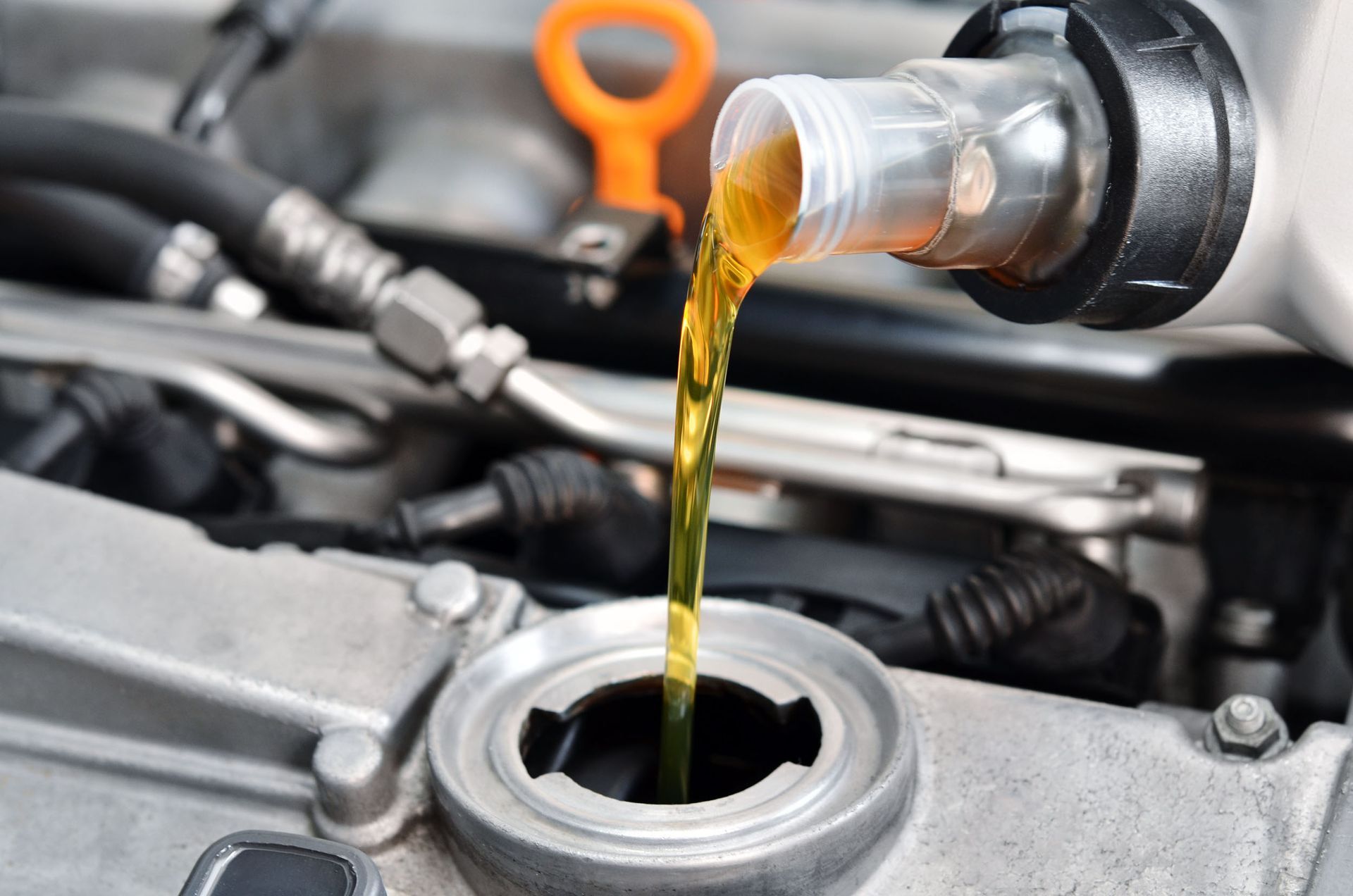
Lubrication is equally important because moving engine components experience continuous friction. Engine oil reduces wear, helps manage heat, and carries contaminants toward filtration systems. Over time, oil can deteriorate or become contaminated, reducing its ability to protect critical components.
Technicians at a diesel shop can assess lubrication concerns and recommend appropriate maintenance based on engine specifications and operating conditions. Proper cooling and lubrication support smoother operation while helping preserve the durability of expensive engine components.
Identifying Problems Through Advanced Diagnostics
Modern diesel trucks incorporate electronic controls that monitor engine performance and coordinate important mechanical functions. These systems provide valuable information about fuel delivery, emissions controls, operating temperatures, and other performance characteristics.
When warning lights appear, or unusual symptoms develop, professional diagnostic equipment helps technicians investigate the underlying cause. Rather than relying exclusively on visible symptoms, technicians can evaluate electronic information alongside physical inspections and mechanical testing.
Diagnostic services are especially valuable because similar symptoms may originate from different components. Reduced engine power, for example, could involve fuel delivery restrictions, airflow problems, sensor malfunctions, or other mechanical concerns.
An experienced diesel shop combines diagnostic technology with practical mechanical knowledge to identify appropriate repair solutions. Accurate evaluations help avoid unnecessary component replacements and support more efficient maintenance decisions.
Professional diagnostics can also reveal developing concerns before they significantly affect drivability. This allows truck owners to make informed decisions about repairs and maintenance priorities.
Supporting Transmission and Drivetrain Reliability
Although engine performance receives considerable attention, the transmission and drivetrain are equally important to dependable truck operation. These systems transfer engine power to the wheels and help vehicles manage demanding loads, changing road conditions, and frequent acceleration.
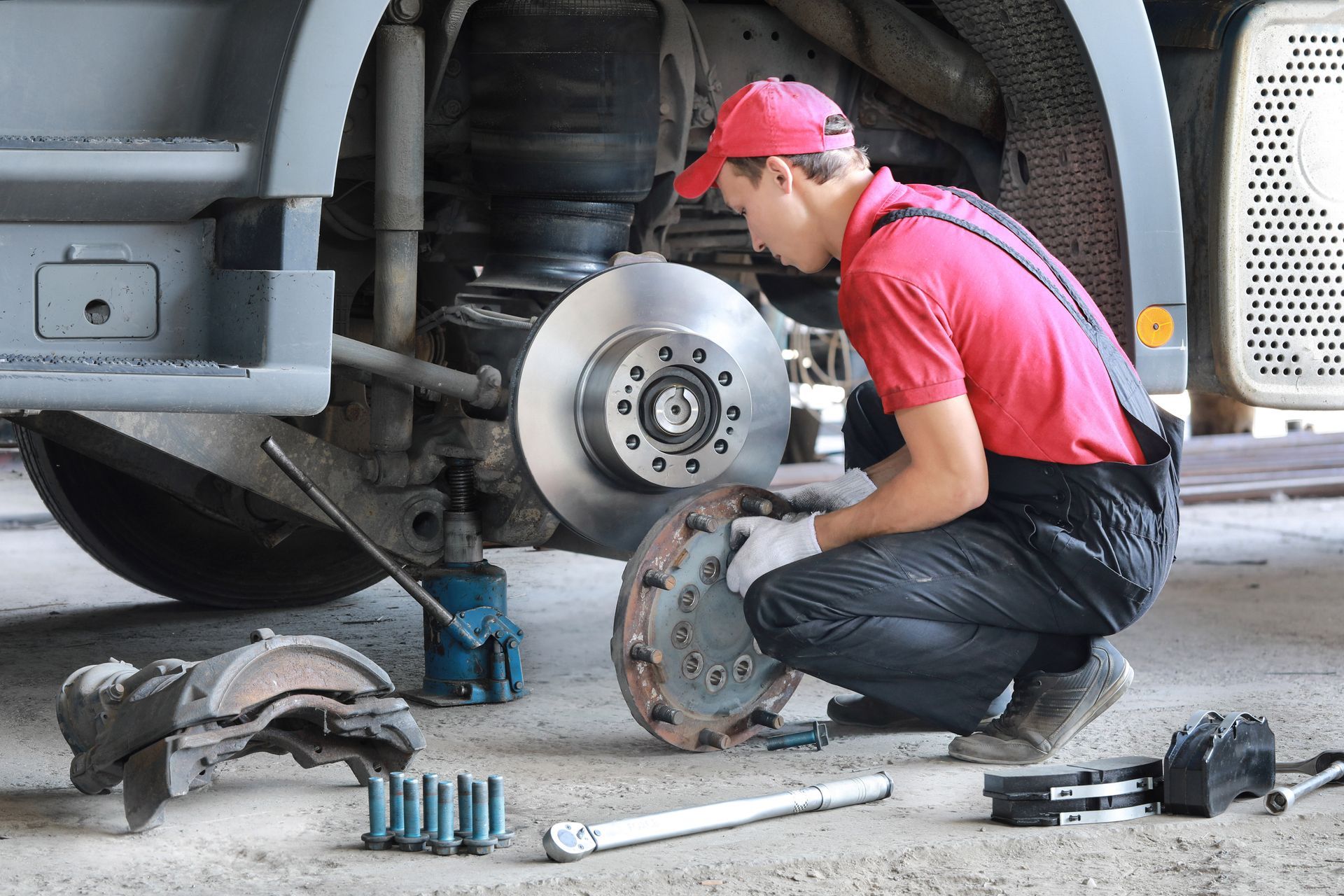
Transmission problems may produce delayed shifting, unusual noises, slipping, or difficulty maintaining consistent power delivery. Drivetrain components can also experience wear from heavy hauling, repeated stress, and challenging operating environments.
Professional inspections help determine whether these symptoms involve fluid conditions, worn components, mechanical damage, or other underlying issues. Addressing concerns early may prevent additional strain on connected systems.
A diesel shop that evaluates overall vehicle performance can help truck owners understand how engine, transmission, and drivetrain conditions affect reliability. Maintaining these systems together supports smoother operation and reduces the likelihood of unexpected mechanical interruptions.
Extending the Life of Critical Components
Truck ownership represents a substantial investment, particularly for businesses that depend on vehicles for daily operations. Protecting that investment requires attention to the components responsible for long-term performance.
Routine maintenance helps limit excessive wear by identifying conditions that place unnecessary stress on mechanical systems. Problems involving improper combustion, inadequate lubrication, overheating, or restricted airflow can gradually affect multiple engine components.
Professional technicians can recognize these relationships and recommend repairs that address underlying causes rather than temporarily masking symptoms. This approach helps preserve component integrity and supports more predictable vehicle performance.
Working with a diesel shop also provides access to specialized knowledge about diesel engine requirements. Technicians familiar with heavy-duty applications can evaluate maintenance needs in relation to operating conditions, vehicle age, and performance expectations.
Consistent professional care can help extend the useful life of essential components while reducing the frequency of avoidable repairs.
Maintaining Long-Term Truck Performance
Reliable diesel truck operation depends on consistent attention to engine health, fuel efficiency, cooling systems, lubrication, and drivetrain performance. Although these systems perform different functions, their condition directly influences overall vehicle reliability.
Professional maintenance provides an opportunity to identify developing problems, address mechanical wear, and maintain efficient operation. Truck owners who prioritize timely inspections and appropriate repairs are better positioned to avoid unexpected downtime and protect their vehicles from preventable damage.
Choosing an experienced diesel shop also helps ensure that maintenance decisions reflect the specific requirements of diesel-powered vehicles. With knowledgeable technicians and appropriate diagnostic resources, truck owners can maintain dependable performance while supporting long-term vehicle durability.
Scheduling Professional Diesel Truck Service
Keeping your truck operating smoothly requires dependable maintenance and knowledgeable mechanical support. At AFS Diesel Truck & Body, we understand the importance of reliable diesel performance for both commercial and personal transportation needs. Our team is committed to helping customers address mechanical concerns, maintain essential components, and keep their vehicles ready for demanding workloads.
Contact us today to discuss your truck’s maintenance or repair needs. We can help you explore appropriate service options and take the next step toward dependable performance.








Share On: