How Hydraulic Hooklift Hoists Improve Outcomes for Work Trucks
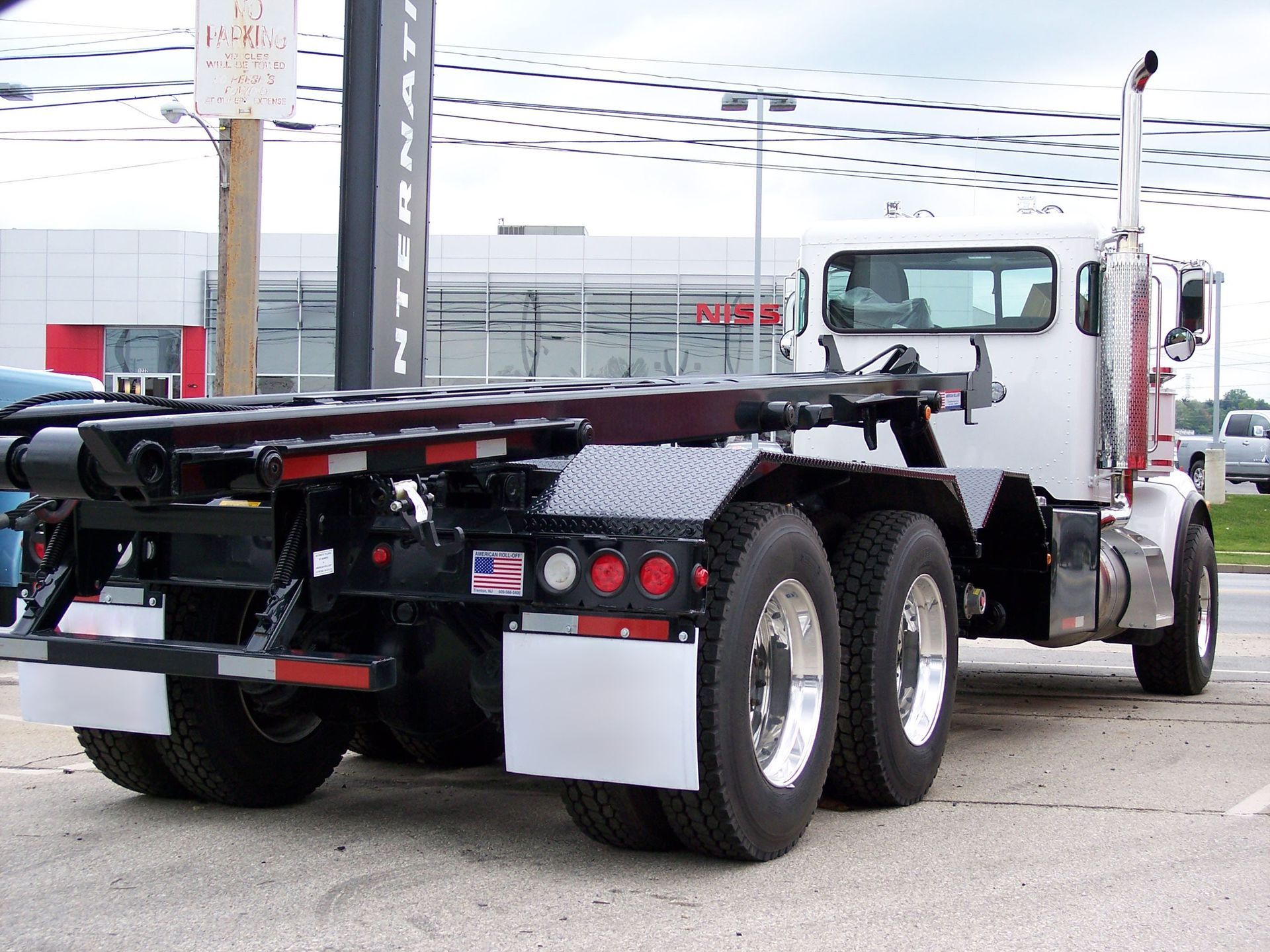
In the fast-paced world of logistics and delivery, the efficiency of work trucks is paramount. Companies constantly seek methods to optimize operations, reduce downtime, and maximize profitability. One innovative solution is the hydraulic hooklift hoist, which revolutionizes the loading and unloading processes. By understanding and adopting this technology, businesses can enhance their operational efficiency significantly. Let's explore the multifaceted advantages of hydraulic hooklift hoists and their transformative impact on the trucking industry.
Benefits of Hydraulic Hooklift Hoists
Minimizing Downtime
The use of a hydraulic hooklift hoist dramatically reduces truck downtime, allowing companies to focus on core operations rather than maintenance issues. Traditional loading methods can be cumbersome and time-consuming, often leading to extended periods of inactivity. Hooklift hoists streamline these processes, boosting productivity and cycle efficiency. Moreover, by minimizing operator fatigue and manual handling, the risk of operational delays decreases significantly. Streamlined operations mean that vehicles spend more time on the road and less in repair shops, effectively increasing their lifecycle value.
Versatility and Flexibility in Operations
A hydraulic hooklift hoist empowers work trucks with unmatched versatility, making them adaptable to a wide array of industries and tasks. These hoists allow trucks to carry multiple types of containers and payloads without requiring extensive modifications. The ability to quickly switch between loads accommodates fluctuating demand and schedules, making operations more agile. This flexibility is particularly beneficial in sectors such as waste management, where varying container sizes and types are prevalent. Companies can efficiently optimize their fleets, ensuring vehicles are utilized to their full potential.
Enhancing Safety for Operators
Safety remains a paramount concern in any industrial operation, and a hydraulic hooklift hoist contributes significantly to safer working conditions. These systems reduce the need for manual handling, which minimizes the risk of injury from lifting heavy objects. The ergonomic design of these hoists decreases operator fatigue, allowing for more prolonged and safer operations. Furthermore, built-in safety features, such as automatic locking systems, ensure loads are securely fastened. This assures peace of mind for operators and reduces liability for companies.
Improving Load Management Efficiency
Hydraulic hooklift hoists enhance load management efficiency significantly, offering precise control over container positioning and stabilization. The ability to load and unload various container sizes without the need for external equipment optimizes the workflow tremendously. This adaptability permits operators to manage logistics more effectively, leading to time and resource savings. Additionally, improved load distribution minimizes the wear and tear on vehicle components, extending their service lives. This efficient load management can reduce the frequency of major diesel engine overhauls, typically required every 750,000 miles, according to WifiTalents.
Cost-Effectiveness Over Time
Investing in hydraulic hooklift hoists offers a cost-effective solution for improving overall operational efficiency. Over time, reduced downtime, increased productivity, and lower maintenance requirements contribute to significant financial savings. The ability to transport different container types with a single vehicle reduces fleet costs and enhances resource allocation. Although initial investments may be substantial, the long-term financial benefits justify these expenses. These hoists provide a high return on investment by consistently maximizing fleet performance and revenue generation.
Impact on Work Truck Operational Efficiency
Time Savings and Quick Turnaround
A hydraulic hooklift hoist significantly reduces the time needed to load and unload cargo, leading to faster job completion and turnaround. Quick and efficient operations mean that work trucks can serve more clients in less time, increasing daily job allocations. This efficiency translates into more productive workdays, allowing companies to maximize their resources. Reduced loading times improve logistics scheduling and ensure timely deliveries. Ultimately, these benefits enhance customer satisfaction, improving overall business credibility.
Boosted Productivity Levels
The efficiency of hydraulic hooklift hoists directly impacts the productivity levels of work trucks, helping businesses achieve higher operational throughput. Faster load times mean drivers spend more time on their actual routes rather than waiting for container swaps. This increased productivity boosts fleet utilization rates, allowing for greater overall output. By optimizing operations, companies can remain competitive in demanding markets. Therefore, maximizing productivity through efficient systems is a strategic imperative for business success.
Enhancements in Load Handling
Hydraulic hooklift hoists provide precision and control, leading to efficient and effective load handling capabilities. Secure attachment mechanisms reduce the risk of damaged goods during transit, fostering trust with clients. The ability to handle various container sizes ensures accommodation for evolving business needs without requiring additional equipment. This adaptability promotes methodical scheduling and planning, leading to better-managed logistics. By optimizing load handling capabilities, companies can ensure effective and reliable service delivery.
Reduced Need for Additional Equipment
The integration of hydraulic hooklift hoists reduces the dependency on other loading equipment, streamlining fleet operations. This decreased reliance translates into cost savings related to maintenance, storage, and staffing of additional machinery. Moreover, consolidating equipment reduces fleet complexity, increasing managerial ease and efficiency. Companies can simplify their logistics approach by efficiently fulfilling varying needs with a single vehicle type. As fleets become more self-sufficient, businesses can adapt more flexibly to market changes.
Economic and Environmental Impacts
Return on Investment Considerations
Investment in hydraulic hooklift hoists can yield substantial returns by enhancing operational efficiencies that directly impact the bottom line. Reduced downtime, maintenance costs, and increased vehicle use contribute positively to financial performance. While upfront costs exist, the productivity gains and cost savings in the long term outweigh initial expenses. This investment is strategic for businesses seeking sustainable growth and improved market competitiveness. Evaluating potential returns and ongoing benefits highlights the critical value of adopting this technology.
Reducing Fuel Consumption
The efficiency of hydraulic hooklift hoists supports reduced fuel consumption, positively impacting operational expenses and environmental impact. By minimizing idle times and enhancing route efficiency, vehicles benefit from better fuel utilization. Lower fuel use contributes to cost savings while also aligning with environmental responsibilities. Reduced fuel demands lessen dependency on fossil fuels and promote sustainable practices. The environmental and economic benefits reinforce stakeholders' commitment to innovative solutions like hooklift hoists.
Lowering Carbon Footprint
Hydraulic hooklift hoists contribute to lowering an organization's carbon footprint, vital for sustainability objectives. Energy-efficient designs and reduced operational requirements minimize emissions associated with fuel combustion. Transitioning to eco-friendly practices through optimized logistics advances corporate social responsibility goals. By lowering emissions, companies comply with stricter environmental regulations while enhancing brand reputation. In an era of increased environmental awareness, green technologies help create a competitive advantage.
Long-Term Financial Savings
The adoption of hydraulic hooklift hoists fosters long-term financial savings by maximizing operational efficiencies. Reduced maintenance and fuel costs yield positive long-term economic benefits, enhancing profitability. Efficient logistics operations lower operational expenses, aiding businesses in cost-effective service delivery. Moreover, longer vehicle life cycles reduce the frequency of capital investments in new trucks or equipment. Collectively, these savings establish economic resilience and form a strong foundation for sustainable success.
Contribution to Sustainable Development Goals
By adopting hydraulic hooklift hoists, companies contribute to numerous sustainable development goals, aligned with global priorities. These systems promote responsible consumption and production by optimizing resource usage and minimizing waste. Advancements in hydraulic technology reflect a commitment to innovation and infrastructure investment, fostering industry growth. Environmental stewardship is evident in the reduced emissions and improved energy efficiency achieved. Companies participating in the broader sustainability agenda drive positive change within the transportation sector.
A hydraulic hooklift hoist offers transformative benefits for work truck efficiency, impacting operational efficiency, economic outcomes, and environmental responsibility. As industries emphasize sustainability, technology continues to advance, offering innovative solutions to enhance load handling and performance. Embracing these technologies ensures businesses remain agile, competitive, and aligned with global sustainability goals. If you're interested in the efficiency a hydraulic hooklift hoist can offer, reach out to AFS Diesel Truck & Body today.







Share On: