Electric vs Manual Cable Hoists: Key Differences Explained
In the world of heavy-duty towing and recovery, choosing the right lifting equipment can significantly impact operational efficiency and roadside safety. This article clarifies the primary differences between electric and manual options, providing insights into their functionalities, benefits, and applications for specialized trucks. By exploring the finer details of both mechanical systems, fleet operators can ensure they select the most appropriate gear for their needs, ultimately optimizing vehicle recovery productivity.
Defining Core Systems and Mechanical Functions
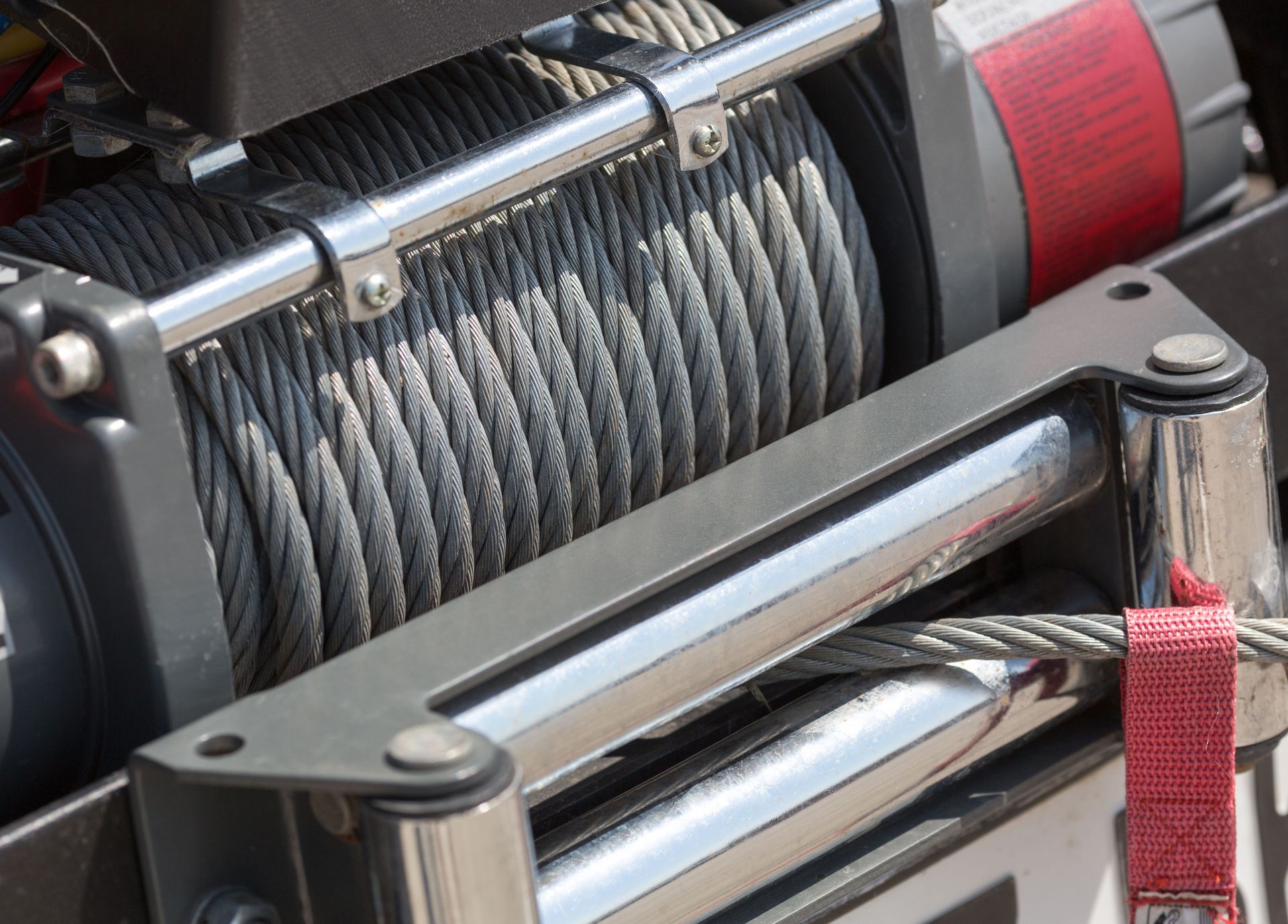
Vehicle-mounted cable hoists are essential lifting and pulling devices designed to manipulate heavy loads through a system of high-tensile steel lines and rugged sheaves. Typically integrated into tow trucks, wreckers, and utility vehicles, these units facilitate the vertical and horizontal movement of disabled or damaged automobiles. The basic functionality relies on a mechanism of action where motorized gears or manual hand-cranks pull a robust spool. Their primary purpose is to provide an efficient, safer means of moving substantial vehicle weights, replacing tasks that would otherwise require exhausting or hazardous human labor.
Tracing Historical Progress and Evolution
The technical development of heavy truck lifting systems has been integral to the evolution of modern roadside recovery capabilities. Initially, hand-operated blocks and manual winches were the standard, relying on human strength and basic mechanical advantages to move massive vehicles. With the advent of vehicular electric power, motorized units made their debut, revolutionizing towing operations by offering vastly greater pulling capacity. Over the years, engineering enhancements have led to more compact, efficient, and safer designs, significantly reducing workplace injuries during recovery operations.
Analyzing Common Uses and Applications
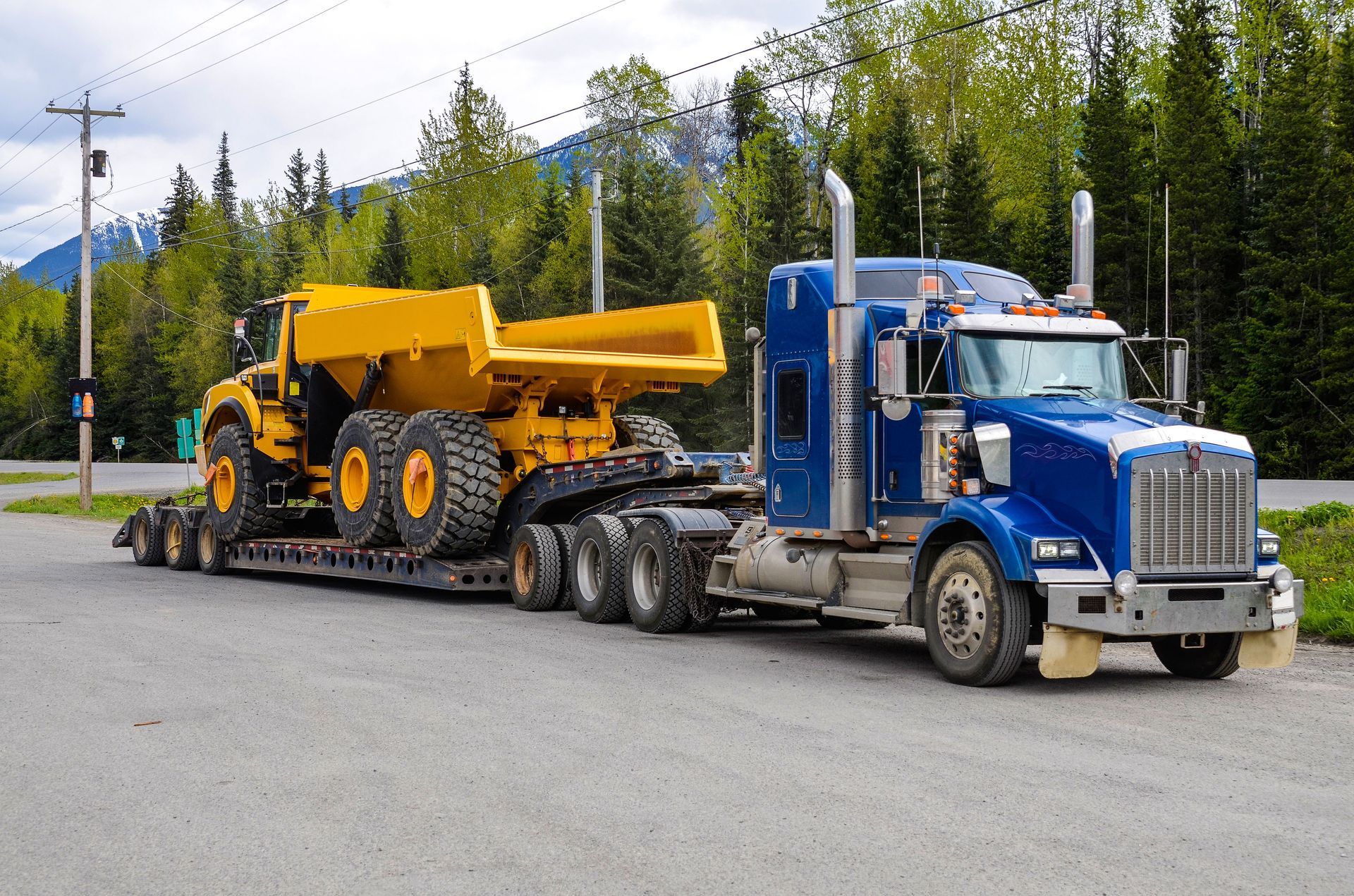
Lifting units are prevalent across numerous mobile sectors, including commercial towing, roadside assistance, municipal recovery, and heavy transport loading. In roadside recovery, they pull stranded vehicles out of ditches or lift raw automotive components onto flatbeds, expediting highway clearance timelines. Utility service trucks use them to move heavy mechanical components during field maintenance, facilitating seamless on-site repairs. Meanwhile, specialized transport hubs utilize them to load and unload heavy machinery, ensuring high-value freight is secured and retrieved efficiently.
Evaluating Total Value and Industrial Significance
The operational importance of integrating these specialized systems into commercial truck fleets cannot be overstated, as they are pivotal for boosting operator safety. They drastically reduce the need for raw manual labor, minimizing the risk of muscle strain and work-related injuries on dangerous roadsides. Moreover, they contribute to substantial time savings, allowing for the quick clearing of traffic accidents. These heavy-duty tools also enable standard recovery vehicles to handle significantly heavier weights than what is humanly possible.
Examining Electric Mechanisms and Motorized Operations
Electric units use a specialized motor to drive a series of internal gears that lift and pull loads automatically. The motor is activated by a handheld pendant switch or wireless remote control, providing precise positioning control during the vehicle recovery process. This automated mechanism eliminates strenuous manual labor, enhancing both operational throughput and operator safety. According to Industrial Quick Search, electric hoists should rest for 99 minutes after being operated for one minute to prevent overheating and internal component damage.
Realizing Efficiency Gains and Operational Benefits
Motorized truck-mounted units offer several distinct benefits, including expanded weight capacities and enhanced roadside efficiency. They are capable of lifting and winching much heavier vehicles compared to hand-operated counterparts, making them ideal for high-capacity commercial towing. Operating a motorized unit is less physically demanding, which reduces worker fatigue and the associated risk of injury during long shifts. Furthermore, automated precision allows for delicate recovery operations where exact placement is necessary to avoid damaging a client's vehicle.
Budgeting Initial Capital and Long-Term Costs
While motorized units carry a higher initial purchase price compared to hand-operated tools, their operational benefits often justify the investment. The resulting reduction in labor costs and the increase in daily efficiency translate to long-term savings for commercial fleet operators. However, operations must factor in regular truck battery drain and specialized mechanical maintenance costs. Ultimately, the decision to invest in a powered system must balance short-term capital expenditures against long-term economic gains.
Structuring Service Routines and Maintenance Requirements
The upkeep demands for motorized truck units are quite extensive due to their exposure to the elements and complex electrical parts. Regular inspections and technical servicing are necessary to ensure the motor, wiring, and internal gears function safely under extreme tension. Routine lubrication of moving parts prevents premature wear from road salt and grime, while electrical connections must be checked for stability. Scheduled downtime for fleet maintenance mitigates the risk of unexpected breakdowns during critical emergency calls, ensuring continuous operation.
Reviewing Leading Industrial Brands and Models
Several reputable manufacturers specialize in truck-mounted lifting and pulling equipment, offering a variety of models to suit distinct recovery needs. Companies like Ramsey, Warn, and Miller Industries are globally recognized for their reliability and engineering innovation in the towing sector. These brands provide a diverse lineup, ranging from lightweight, compact units for light-duty pickup trucks to massive, industrial-strength recovery systems built for heavy wreckers and semi-truck extraction.
Capitalizing on Simplicity and Portability Advantages
Hand-powered lifting tools provide several distinct advantages, including lower procurement costs, mechanical simplicity, and exceptional reliability. They generally feature a much lower purchase price than motorized versions, making them highly cost-effective for smaller independent towing operations. Because their design is simple, they contain fewer components that can fail, which decreases overall maintenance headaches. They are also invaluable in remote off-road environments or emergency situations where a truck's battery power is completely unavailable.
Integrating Automated Controls and Smart Features
The future of commercial vehicle recovery involves increased automation and the adoption of smart systems. Modern cable hoists are evolving to incorporate predictive maintenance sensors and onboard data analytics that provide real-time component health alerts regarding line tension. This smart technology enhances safety by reducing human error and introducing advanced fail-safe mechanisms during high-stress extractions. These digital upgrades optimize efficiency and extend the physical lifespan of the recovery machinery through targeted servicing.
Utilizing Next-Generation Materials and Structural Designs
The structural engineering and base materials used to manufacture modern truck-mounted cable hoists are advancing rapidly, resulting in lighter, tougher frames that don't overload the truck chassis. Innovations in metallurgical science allow internal gears and hooks to withstand extreme stress profiles while reducing the deadweight of the recovery unit. Ergonomic housing designs also focus on simplifying the installation process, expanding the overall versatility of the equipment across different truck body styles.
Penetrating Emerging Sectors and Niche Applications
New global markets and specialized applications for advanced cable hoists are emerging as utility vehicle technologies expand. Rapid growth in specialized electric vehicle (EV) transport, heavy aerospace logistics, and military recovery vehicle manufacturing is driving a need for specialized lifting units. These fields require specialized tie-down configurations or explosion-proof housings that can operate safely in hazardous, highly controlled environments or extreme weather conditions.
Connecting Hardware to IoT and Cloud Networks
The integration of Internet of Things (IoT) connectivity with truck-mounted cable hoists represents a major technological leap forward for fleet managers. Cloud-connected sensors allow fleet dispatchers to monitor line travel, total runtime, and weight data remotely from a centralized dashboard. This digital network structure streamlines predictive maintenance schedules and slashes unexpected operational downtime, creating a highly responsive, smart fleet management environment.
Both electric and manual recovery designs possess unique operational advantages and physical limitations. By understanding their core differences, truck fleet owners can make informed purchasing decisions that maximize daily efficiency and worker safety. Choosing between these systems ultimately depends on your specific towing workload, available budget, and truck infrastructure. As technology marches forward, the commercial vehicle industry can look forward to even safer, more integrated cable hoists and lifting solutions. For expert guidance on outfitting your fleet or commercial vehicle with the toughest, most reliable structural equipment, discover the professional installation and rigging solutions available at AFS Diesel Truck & Body.







Share On: