How Diesel Engine Manufacturing Supports Heavy Equipment Industries
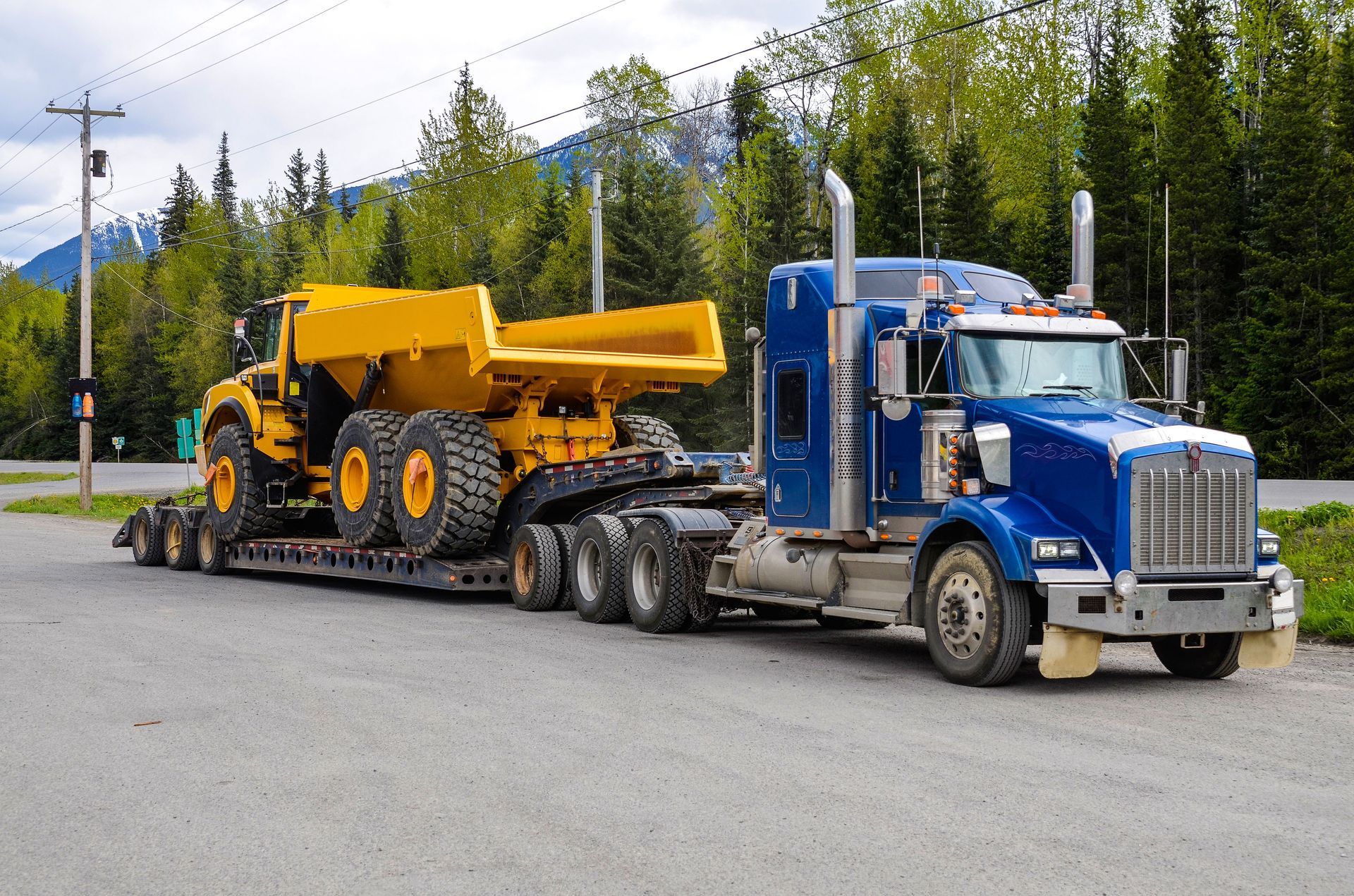
The heavy equipment industry serves as the backbone of modern infrastructure, relying on massive machinery to move mountains, build highways, and power industrial operations. At the heart of this sector lies diesel technology, providing the relentless torque and durability required for demanding environments. Global supply chains and large-scale development projects depend entirely on the steady output of these robust power systems. Engine remanufacturing efforts directly sustain these critical operations.
Sustaining Fleet Longevity Through Precision Engineering
The initial production of heavy-duty powertrains establishes the foundation for industrial reliability. Manufacturers use advanced metallurgy and tight tolerances to create components capable of enduring thousands of hours of continuous operation under extreme loads. These rigorous engineering standards prevent premature structural failures during intense field operations. This high standard of initial production confirms that core components remain viable for future cycles of restoration.
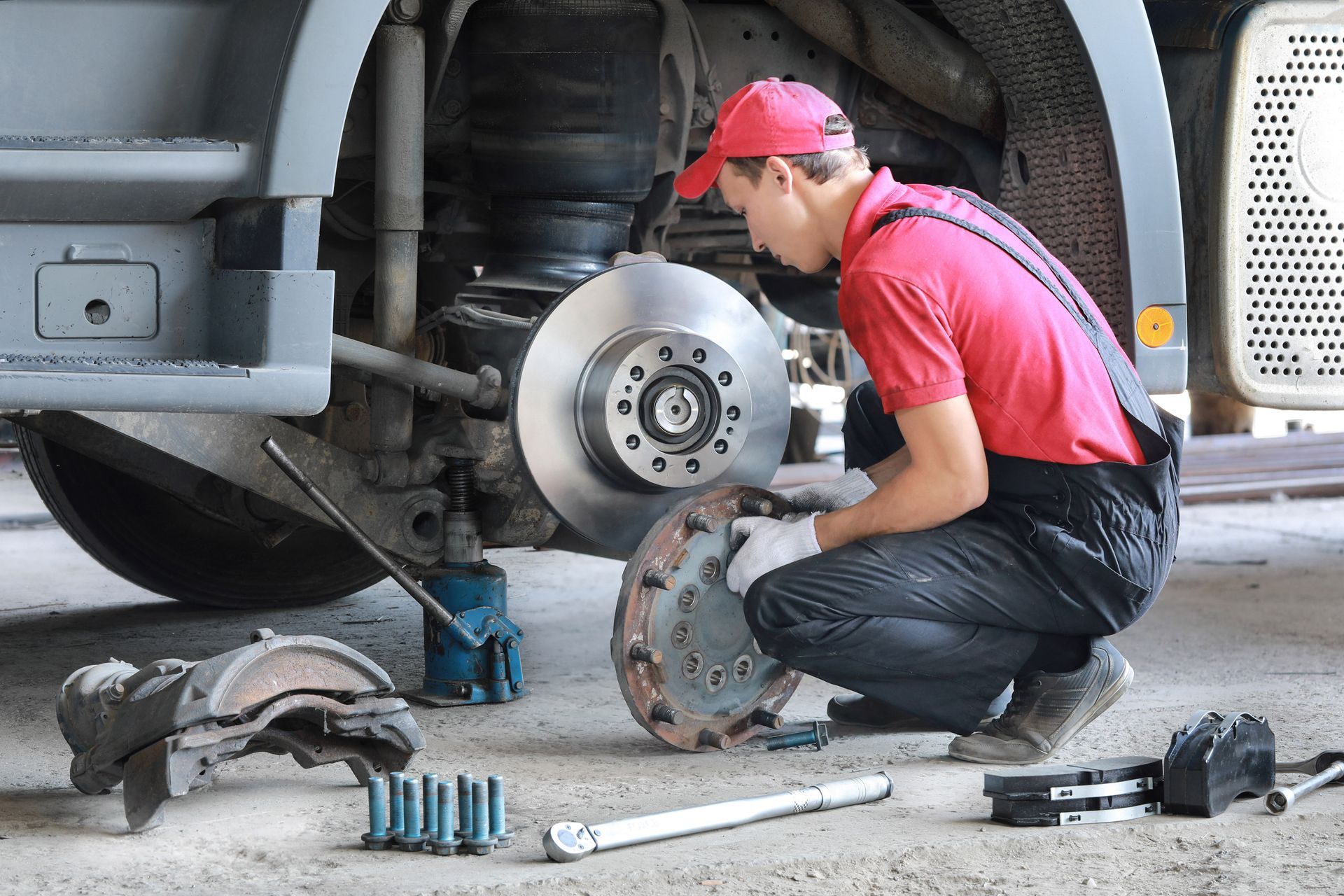
When major components finally experience wear, the robust nature of the original casting allows for comprehensive renewal rather than disposal. This is where engine remanufacturing becomes vital to fleet sustainability, giving a second life to blocks and heads that would otherwise be scrapped. Salvaging these high-value metallic structures prevents perfectly viable cast iron from being prematurely discarded. This cyclical process directly reduces the long-term operational costs for heavy equipment owners. By design, these power plants are built to undergo this cycle multiple times, maximizing the return on the initial investment.
The relationship between the original assembly line and subsequent service cycles creates a sustainable lifecycle for construction and mining fleets. Because parts are engineered for disassembly and refurbishment, fleet managers can maintain operational continuity without constantly purchasing entirely new machinery. This predictability allows companies to forecast their fleet utilization with greater accuracy. The structural integrity established during manufacturing makes this entire cycle possible.
Optimizing Machine Performance Via Advanced Technologies
Modern industrial demands require machinery to deliver higher outputs while minimizing environmental impact. High-output operations necessitate a continuous balance between raw mechanical power and refined electronic control. Manufacturers consistently integrate sophisticated fuel injection systems and electronic control units into their designs to maximize thermal efficiency. These digital advancements allow fleet computers to monitor vital signs in real time. These technological advancements allow heavy machinery to accomplish more work per gallon of fuel consumed.
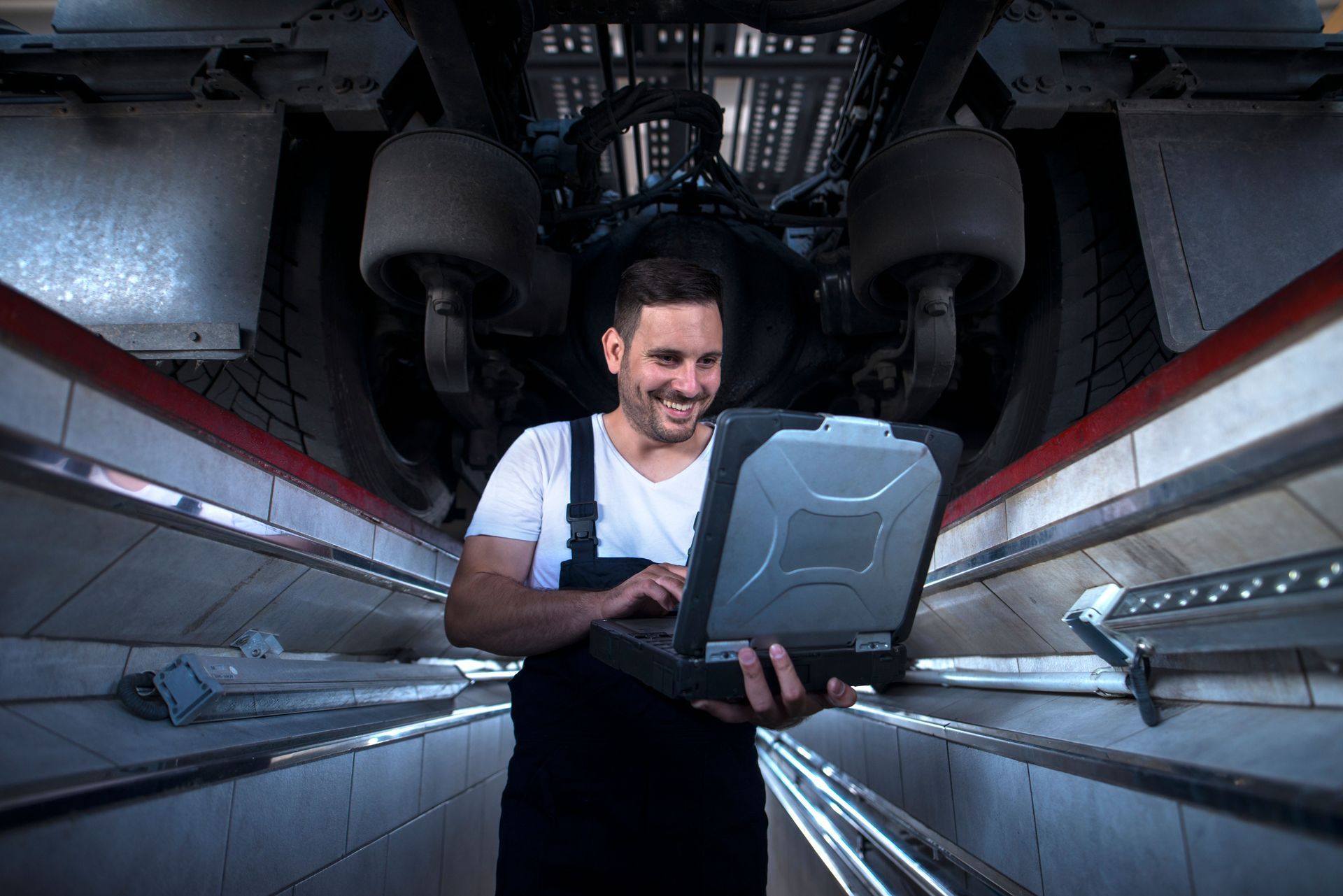
Integrating these complex systems requires industry knowledge during subsequent maintenance and overhaul cycles. When a power plant undergoes engine remanufacturing, technicians must bring these sophisticated electronic and mechanical components back to original specifications. Meeting these strict tolerances is necessary to achieve the desired power output and low emissions. Precision calibration equipment is required to properly reset these integrated digital systems. This precise calibration helps the machinery maintain its peak torque curve and fuel efficiency over decades of service.
New manufacturing standards dictate how older machinery is updated during major overhauls. Upgrading internal components during a standard rebuild allows older fleets to benefit from modern material sciences and design improvements. This process essentially modernizes an older asset without requiring a complete chassis replacement. Consequently, heavy equipment maintains its competitive edge in productivity, even as project demands become more stringent.
Minimizing Operational Downtime With Standardized Components
In industrial sectors, stationary or non-functional machinery represents a significant financial drain. Unexpected component failures can halt entire job sites and disrupt critical project schedules. Manufacturers mitigate this risk by standardizing component designs across various equipment lines, creating a predictable framework for service. This uniform architecture allows technicians to quickly identify part cross-references. This standardization streamlines the process of diagnosing, dismantling, and restoring complex propulsion systems.
Predictable component architecture allows for an efficient swap-out strategy when a major failure occurs. Instead of waiting for a lengthy custom rebuild, operations can use engine remanufacturing assembly lines to secure a completely renewed power plant ahead of time. This drop-in replacement methodology vastly accelerates the physical installation process in the shop. This proactive rotation strategy keeps project timelines on schedule regardless of mechanical setbacks. This strategy allows for a rapid exchange, keeping the actual machine frame in the field and working.
The availability of standardized, factory-spec components reduces the complexity of major structural overhauls. Technicians follow precise blueprints developed during the original design phase, removing guesswork from the restoration process. Access to standardized technical documentation guarantees uniform quality across different maintenance facilities. This disciplined approach keeps supply chains moving and prevents extended logistical delays on major infrastructure projects.
Lowering Capital Expenses Across Industrial Sectors
Acquiring new heavy machinery requires a massive capital allocation that can strain the finances of any industrial operation. The manufacturing sector supports businesses by creating a robust secondary market for components and power systems. This approach creates an affordable entry point for smaller contractors entering the market. This structure allows companies to manage their balance sheets more effectively by avoiding constant new equipment purchases.
By using engine remanufacturing programs, fleet owners can extend the life of their existing chassis for a fraction of the cost of a new machine. The process returns the internal powertrain to a condition that matches its original performance metrics. This cost-effective alternative helps operators maintain healthy cash reserves for unexpected project needs. This financial flexibility helps firms remain competitive during sudden market downturns. This financial alternative frees up capital for businesses to invest in other critical operational needs.
Moreover, the predictability of component longevity allows for accurate long-term budgeting and financial planning. Companies can schedule major overhauls during planned project intervals, avoiding unexpected capital outlays. Preventive maintenance timelines become easier to manage when component lifespans are predictable. The synergy between initial production standards and structured renewal options creates a stable economic environment for heavy industries.
Reducing Environmental Impacts Through Circular Economics
The production of heavy industrial machinery is resource-intensive, requiring massive amounts of raw iron, steel, and energy. Manufacturing frameworks increasingly incorporate circular economy principles to reduce the total ecological footprint of the sector. Industrial operations must adapt to these changing regulatory frameworks regarding environmental conservation. This approach focuses on reclaiming and reusing structural mass whenever possible.
Reclaiming a worn core preserves about eighty-five percent of the energy originally expended to cast the engine block. Through engine remanufacturing, the sector drastically reduces the demand for raw iron ore mining and the energy consumption associated with smelting new steel. Keeping these foundational castings in service avoids the heavy carbon emissions generated by new foundry production. This massive energy savings translates directly into a reduced carbon footprint for the industrial sector. This process represents a highly effective form of industrial recycling.
Ultimately, this sustainable cycle reduces the volume of industrial waste entering scrap yards and landfills. By maintaining the structural core of the power plant and replacing only the wearable internal items, the industry achieves a balance between high performance and environmental responsibility. This philosophy transforms how industrial organizations view the entire lifecycle of their heavy machinery. Heavy equipment operations can thus meet modern sustainability goals.
Heavy competition is the main factor negatively affecting the industry for diesel engine manufacturing, according to IBIS World. Despite these market pressures, the sector remains indispensable for sustaining global infrastructure. The continuous evolution of this field supports diverse operations globally. Through strategic engine remanufacturing and advanced engineering, the manufacturing process continues to drive the longevity, efficiency, and economic viability of heavy equipment worldwide. Contact AFS Diesel Truck & Body today to schedule your commercial fleet service and restore your heavy equipment to peak operational performance.







Share On: