Key Services a Diesel Truck Repair Shop Provides
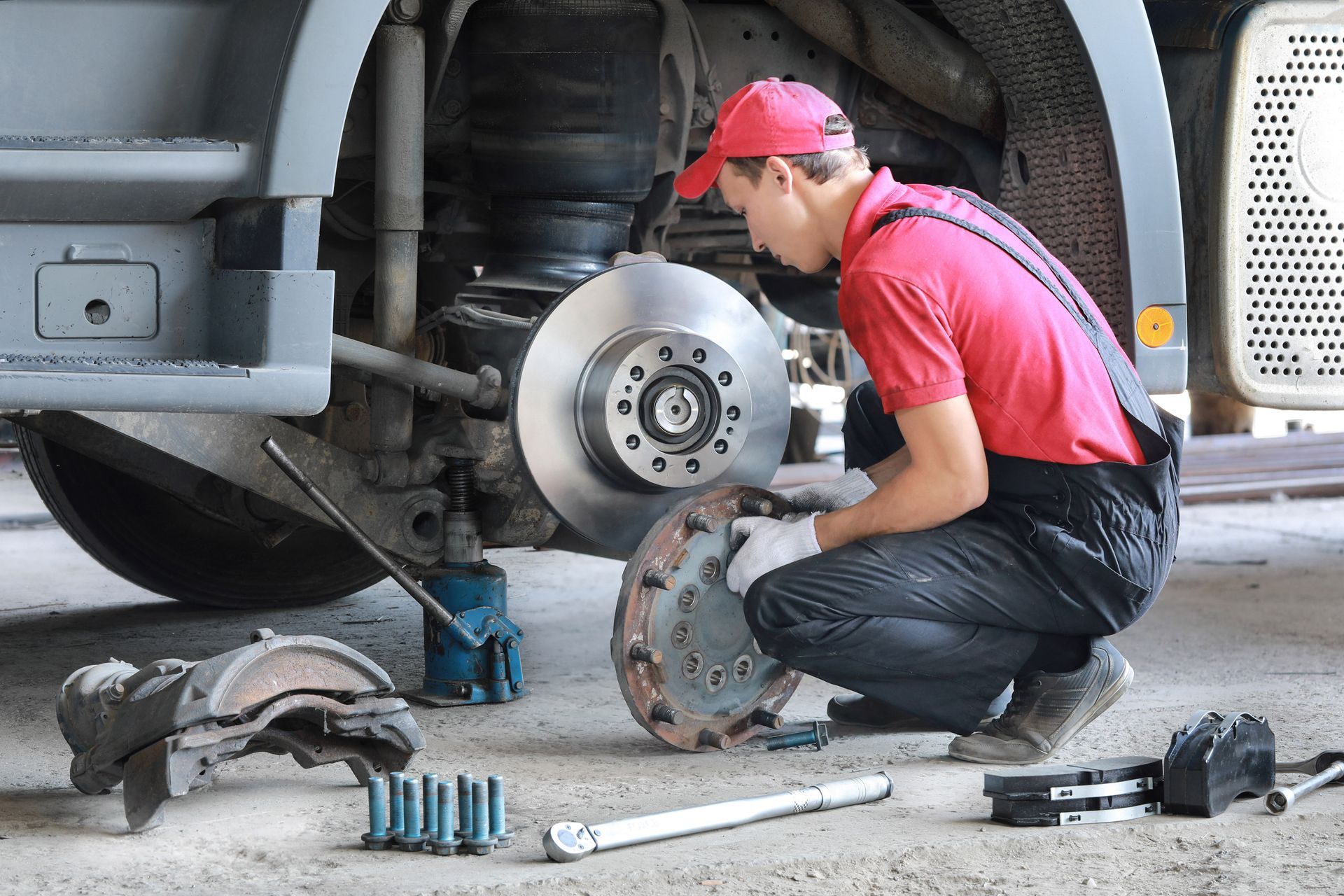
Routine maintenance forms the backbone of diesel truck care, keeping vehicles safe, efficient, and reliable on the road. Diesel shops provide vital services like oil and filter changes, which are crucial because diesel engines operate under high heat and pressure. Quality oil minimizes wear, reduces friction, and ensures smooth operation, while professional technicians select the right oils and filters for maximum protection. Tire and brake inspections also play a central role, as trucks carry heavy loads that strain these systems. Shops check tire pressure, alignment, and brake performance to reduce the risk of breakdowns and improve fuel economy. Additional routine services include fluid and coolant checks, which prevent overheating, and battery and electrical testing to guarantee steady power. Suspension and steering maintenance further improves handling and driver comfort, reducing fatigue and ensuring stability even with demanding loads. Regular inspections like these extend a truck’s lifespan and help operators avoid costly, unexpected repairs.
Engine Diagnostics and Repair
Engine diagnostics are at the heart of diesel truck performance. Modern diesel shops rely on advanced diagnostic software to identify issues quickly, saving operators time and money. This technology provides real-time data on engine efficiency and alerts technicians to problems before they escalate. Turbocharger and intercooler checks are also a priority, as these components boost power while improving fuel economy. Technicians look for leaks or mechanical wear that could hinder performance. Fuel injection system testing is another critical service, since proper fuel delivery ensures combustion efficiency and keeps emissions in check. Skilled shops also handle repairs for cylinder heads and engine blocks, addressing cracks, warping, or damage that would otherwise lead to reduced power and oil loss. Exhaust system overhauls round out engine care by repairing or replacing worn components that affect emissions and compliance. These combined services not only protect engines but also maintain the reliability and safety of trucks in demanding conditions.
In addition, preventive diagnostic schedules help operators stay ahead of costly engine failures. By running regular system scans and component evaluations, diesel shops can detect minor irregularities before they develop into major breakdowns. This proactive approach reduces downtime, lowers repair expenses, and keeps trucks operating at peak performance for longer periods. For businesses that rely on tight delivery timelines, preventive diagnostics provide a competitive advantage by ensuring engines remain dependable under heavy use.
Transmission Services
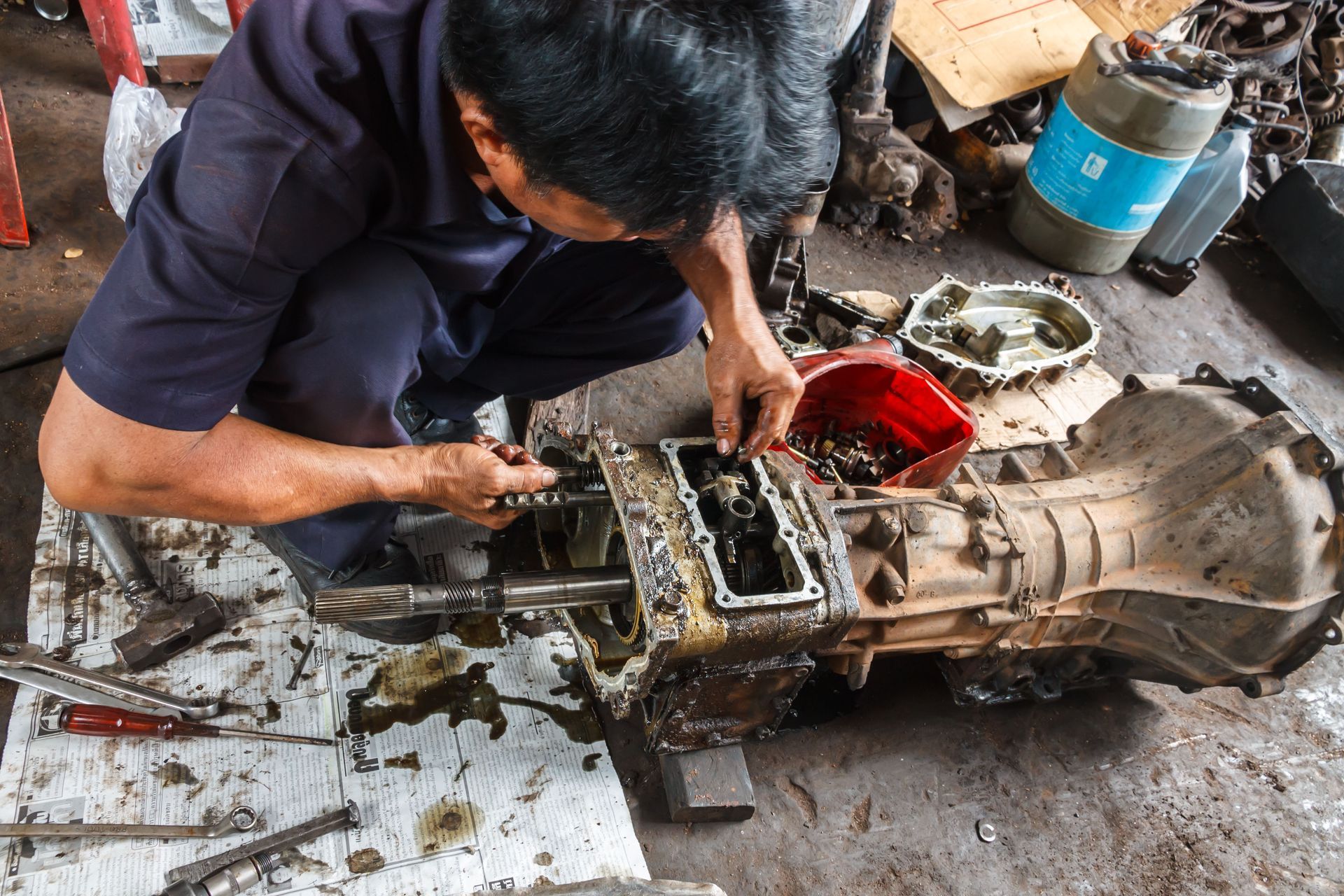
A reliable transmission is essential for heavy-duty diesel trucks to handle different terrains and loads. Diesel shops provide key services like transmission fluid replacement, which prevents overheating, reduces wear, and allows for smoother shifting. Clutch and gearbox repair is equally critical since commercial trucks often endure tough conditions that wear down components faster. Skilled technicians restore these systems to maintain power transfer between the engine and wheels. Differential and driveline maintenance ensures power is distributed effectively, improving handling and control. Transfer case repairs further support trucks with four-wheel-drive systems by addressing leaks or gear issues that can reduce efficiency. Advanced diagnostic testing for transmissions is also common, as shops use technology to detect hidden performance problems and act before they turn into major failures. Together, these services help maintain durable transmissions that keep trucks operating dependably and minimize the risk of costly breakdowns.
Advanced Diagnostic Testing
As diesel trucks evolve with more technology, advanced diagnostic testing becomes indispensable. Shops employ onboard computer diagnostics to identify issues automatically, often before drivers even notice a problem. This reduces downtime and improves reliability. Emissions control testing is another vital service, helping trucks comply with regulations while reducing their environmental impact. Repair shops carefully maintain systems like catalytic converters, particulate filters, and EGR valves to keep emissions within legal limits. Real-time performance monitoring adds another layer of protection, allowing technicians to track truck health continuously and respond quickly to any irregularities. Electrical and sensor troubleshooting is equally important, as modern trucks rely heavily on accurate sensor data to perform efficiently. Finally, data-log analysis supports preventive maintenance strategies by revealing patterns in performance and predicting potential failures. These forward-thinking services improve uptime, boost efficiency, and ensure trucks meet both business and regulatory demands.
Emergency Repair and Recovery
Diesel trucks face demanding schedules, and emergencies can disrupt entire operations. Diesel shops provide lifesaving roadside assistance, sending technicians directly to a breakdown location to deliver quick solutions. This immediate response reduces downtime and helps operators stick to delivery schedules. Towing and recovery services are another major offering, especially since the weight and size of diesel trucks require specialized equipment for safe transport. Shops also maintain rapid-response teams that bring tools and replacement parts directly to stranded vehicles, preventing damage from worsening. Temporary repairs and part replacements may also be applied to get trucks moving again until permanent fixes can be made at a facility. Equally important is coordination with fleet managers, as effective communication ensures repairs are aligned with company goals and operational needs. These emergency services are invaluable, keeping trucks on the road and reducing the financial impact of unexpected breakdowns.
Fleet Management Support
For fleet operators, long-term success depends on more than just one-off repairs—it requires structured maintenance and strategic support. Diesel shops provide scheduled maintenance programs that align with regulatory requirements while preventing costly downtime. These programs extend vehicle life and reduce unscheduled breakdowns. Fleet condition reporting is another service that gives managers a clear view of vehicle health, allowing them to make proactive decisions about repairs and replacement. Fuel efficiency optimization is also key, as small changes in performance can create significant cost savings over time. Shops help by improving systems like fuel injection and turbochargers. According to Cognitive Market Research, the global diesel truck market is projected to reach USD 267 billion in 2025, with North America making up around 33.8% or USD 90 billion—showing how important efficiency has become for operators. Inventory and parts management is another valuable service, ensuring fast access to critical components and reducing downtime. Finally, customized service agreements allow shops to tailor support to each fleet’s unique needs, improving satisfaction and long-term performance.
Why Diesel Shops Are Essential
Diesel shops aren’t just repair facilities—they are partners in maintaining performance, efficiency, and safety for heavy-duty trucks. By offering routine maintenance, engine diagnostics, transmission care, advanced testing, emergency support, and fleet management services, they help keep vehicles in top condition. For individual truck operators, these services mean fewer breakdowns and better reliability on the road. For fleet managers, they mean lower operating costs and higher productivity. Each service a diesel shop provides contributes to longer vehicle lifespans, improved safety, and better regulatory compliance. This comprehensive approach is why operators rely heavily on professional facilities to manage their trucks.
In today’s demanding transportation industry, a diesel shop plays a critical role in keeping trucks safe, efficient, and reliable. From routine inspections and diagnostics to emergency recovery and fleet support, these facilities provide services that minimize downtime and extend vehicle life. Truck operators and fleet managers count on them to keep businesses running smoothly while meeting compliance and efficiency goals. According to industry research, diesel trucks remain a vital part of global commerce, making professional maintenance more important than ever. If you're seeking dependable care for your trucks, reach out to AFS Diesel Truck & Body today and let us help you keep your fleet on the road with confidence.









Share On: