4 Questions You Should Ask When Buying a Truck for Your Fleet
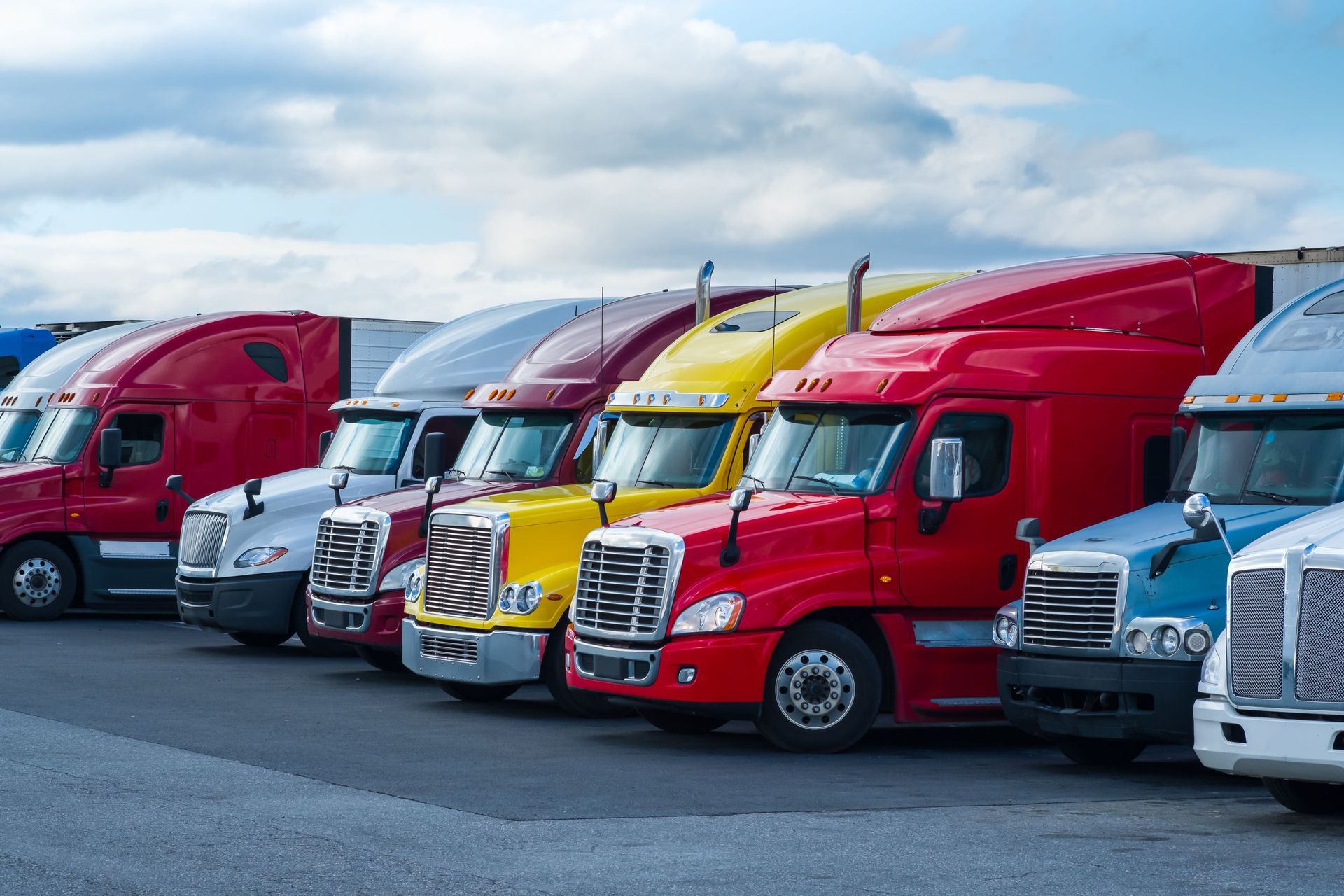
In the world of logistics and transportation, selecting the right trucks for your fleet is a critical decision that can significantly impact your business operations. Whether you're expanding your existing fleet or replacing old vehicles, asking the right questions during the purchasing process is crucial.
With every truck sale representing a major investment, ensuring you make informed choices will not only save money but also enhance efficiencies and minimize downtime. Let's explore some essential questions you need to consider when purchasing trucks for your fleet.
1. Does the Truck Meet Your Specific Needs?
Trucks come in many shapes and sizes, and not every model is right for every business. Whether you’re in construction, delivery services, or long-haul transportation, each industry has unique needs when it comes to truck specifications. This includes cargo capacity, engine power, weight limits, and specialized features such as refrigeration units or lift gates.
Understanding the specific demands of your business ensures that you select a truck that can handle the tasks at hand. Evaluating options during a truck sale gives you the opportunity to compare models that best suit your fleet's goals. Make sure you’re selecting a vehicle that fits your operational requirements and ensures your drivers can perform their jobs efficiently and safely.
2. What Are the Expected Maintenance Costs?
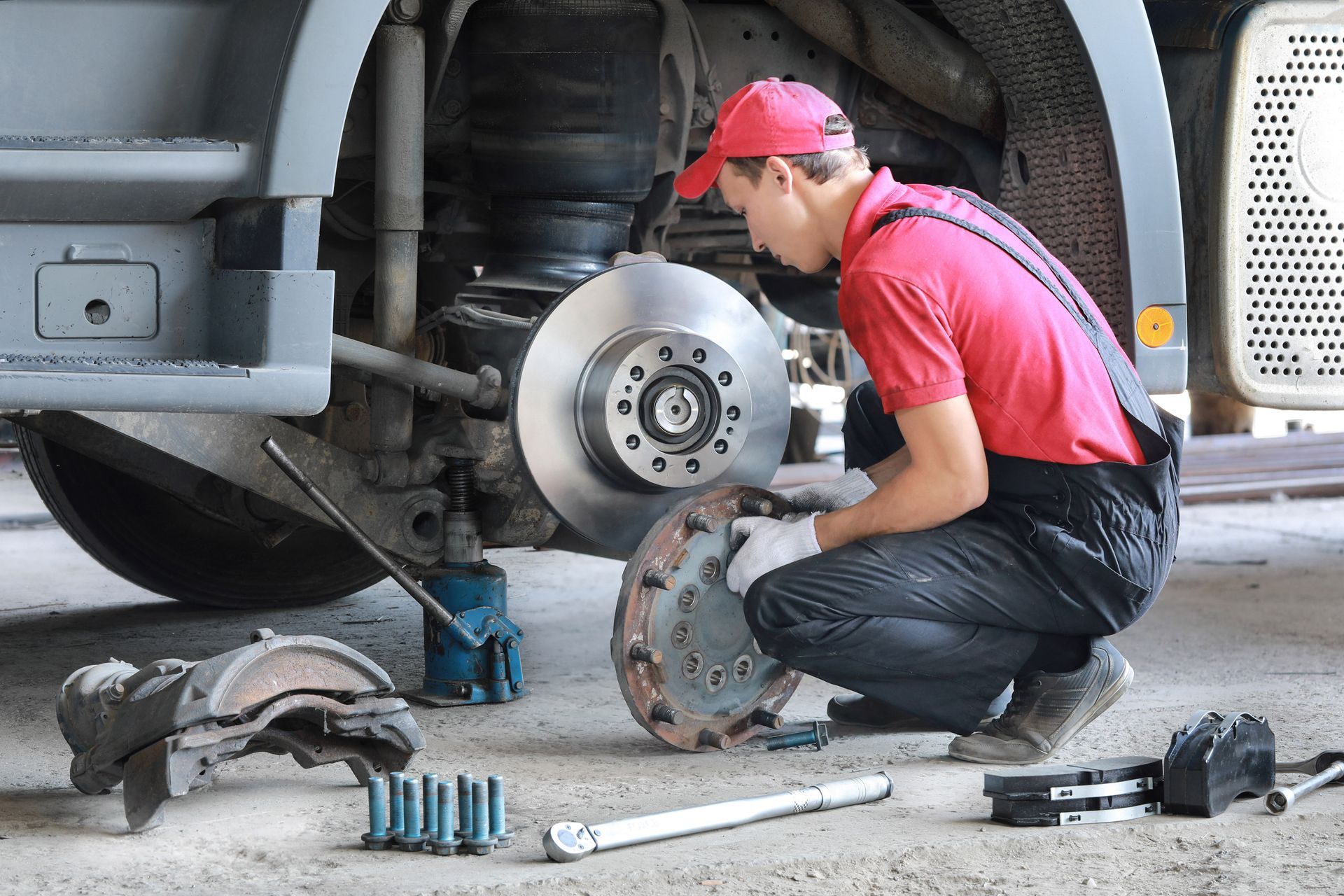
Every vehicle in your fleet will require maintenance at some point. It’s important to factor in the ongoing maintenance costs of the trucks you're considering for purchase. Maintenance expenses can vary significantly between truck models. Taking the time to evaluate these costs during a truck sale can help you avoid unexpected expenses down the road. Understanding the cost of routine maintenance and the potential for major repairs will help you plan your fleet's upkeep.
Ask about the manufacturer’s warranty and what it covers, including potential repair costs after the warranty period expires. Also, inquire about the availability of spare parts and how accessible repair services are in your area. Trucks that are easier and more affordable to maintain can lead to lower downtime and fewer disruptions in your operations.
3. How Fuel-Efficient Is the Truck?
Fuel efficiency plays a significant role in the total operating costs of a fleet. Over time, even small improvements in fuel efficiency can lead to substantial savings. As fuel prices continue to fluctuate, having a fleet with fuel-efficient trucks can help reduce your overall operating expenses. According to research from IBISWorld, the truck dealer industry in the United States is expected to reach $126.8 billion by 2025, underscoring the substantial investments businesses are making in upgrading their fleets.
Consider its miles per gallon (MPG) ratings and fuel tank capacities when evaluating a truck sale. A fuel-efficient truck will help lower your fleet's carbon footprint while cutting down on fuel costs, which can be especially important for businesses operating in fuel-heavy industries. Choosing trucks with better fuel efficiency can also help you stay competitive by lowering overall transportation expenses and improving your environmental footprint.
4. Is Financing Available?
Acquiring new trucks for your fleet often requires significant capital investment, and financing options can make this process more manageable. Some dealers offer financing options or leasing arrangements that provide flexibility and help you spread out the cost of purchasing new trucks. This can be a smart choice for businesses looking to expand their fleets without straining their cash flow.
When considering financing options, ensure you fully understand the terms and implications on your financial strategy. Whether you’re opting for a lease or loan, make sure the agreement suits your business’s needs. In some cases, attractive financing packages may even be available during a truck sale, so don't hesitate to ask dealers about any promotional offers.
Purchasing trucks for your fleet is more than just a transaction; it’s an investment that requires careful consideration of various factors. By asking the right questions during the buying process, you ensure that your fleet is equipped with reliable, cost-effective vehicles that can meet your operational needs.
Remember, whether you're purchasing trucks for a growing business or replacing older vehicles, understanding the total cost of ownership, specific truck requirements, maintenance costs, fuel efficiency, and financing options will guide you toward making the best decisions. By considering these key factors and utilizing available resources like promotions during a truck sale, you’ll be on your way to building a fleet that enhances your business’s efficiency, profitability, and sustainability.
At AFS Diesel Truck & Body, we’ve been powering fleets since 1981 with reliable diesel engine services, trusted truck part sales, and expert repairs. Contact us today to speak with our experienced team, schedule service, or find the right parts to keep your fleet moving forward.








Share On: